Kashmiri Heritage
How to Use Kashmiri Saffron (Kesar): Kahwa, Milk & Cooking Guide
Published on July 18, 2026
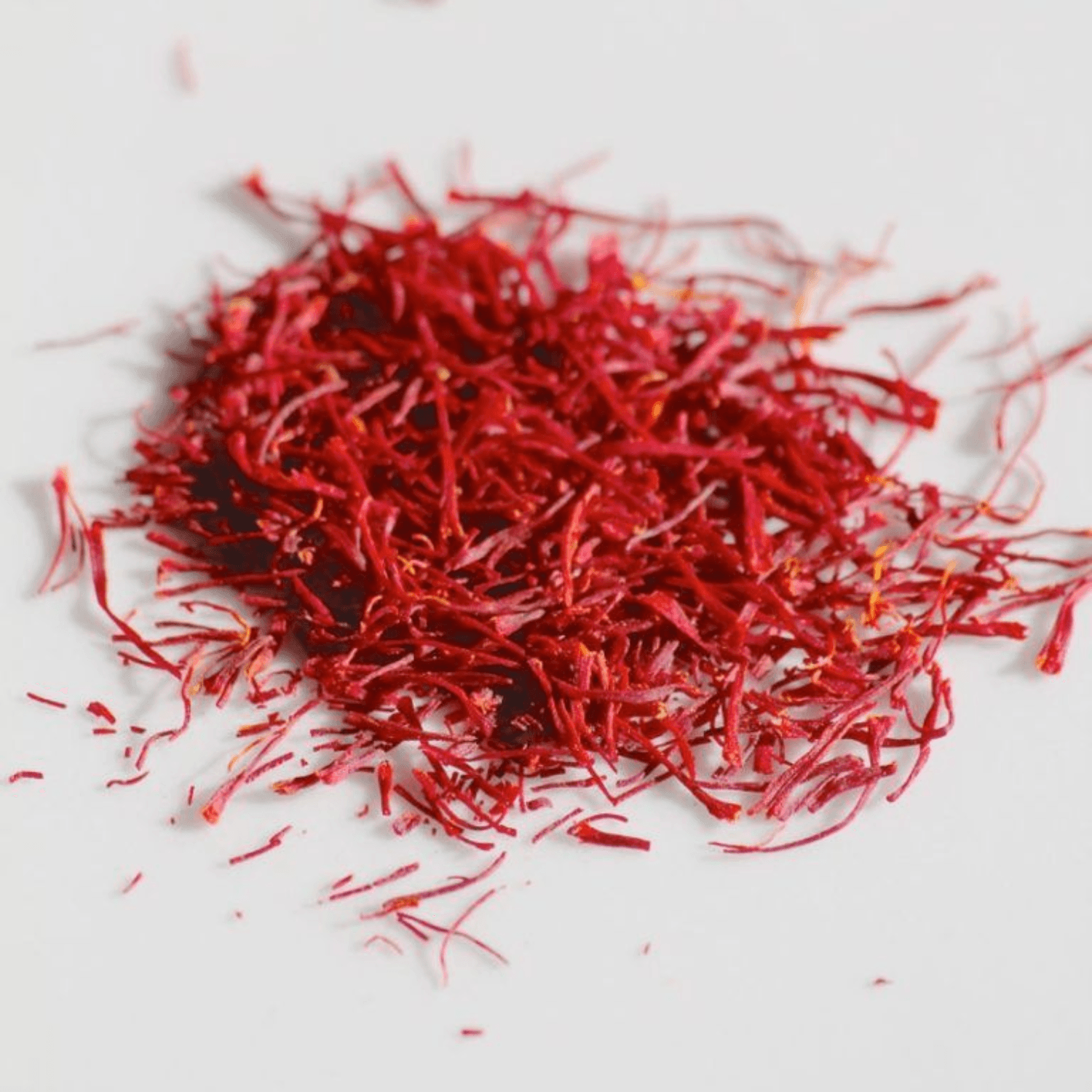
Kesar is the Hindi name for saffron, and in Kashmir it is called kong. Whichever name you know it by, the method below is the same.
The Most Common Saffron Mistake: Using It Wrong, Not Using Too Little
Saffron is expensive enough that people often under-use it out of caution - but the bigger issue is usually technique, not quantity. Dropping dry threads straight into a hot pot rarely releases their full color and aroma. Blooming saffron properly first makes a real difference, and it takes less effort than it sounds.
How to Bloom Saffron (Kesar) the Right Way
Take a small pinch of threads (4-6 threads is usually enough for one serving) and either lightly crush them between your fingers or leave them whole, then soak them in 1-2 tablespoons of warm (not boiling) water, milk, or ghee for 10-15 minutes before adding to your dish. This "blooming" step draws out both the color and the aroma far more effectively than adding dry threads directly to a hot liquid. Once bloomed, add both the liquid and the threads to your recipe.
Kashmiri Kahwa (Saffron Green Tea)
Kahwa is the traditional Kashmiri green tea, and saffron is one of its signature ingredients alongside cinnamon, cardamom, and almonds. A simple approach: steep green tea leaves with a cinnamon stick and a few cardamom pods in hot water, add a pre-bloomed pinch of saffron and its soaking liquid, sweeten lightly if you like, and finish with a few slivered almonds. The saffron should be added toward the end of steeping rather than boiled for a long time, since prolonged high heat can dull its aroma.
Kesar Milk: How to Have Saffron With Milk
Warm (not boiling) a cup of milk, add a pre-bloomed pinch of saffron with its soaking liquid, and let it sit for a few minutes before drinking. This is a common way saffron is used in Kashmiri and broader Indian households, often in the evening.
Cooking With Saffron
Beyond drinks, saffron is commonly used in rice dishes (like biryani or pulao), desserts (kheer, phirni), and some Kashmiri Wazwan dishes. The same blooming principle applies: soak the threads in a small amount of warm liquid first, then stir that liquid into the dish near the end of cooking rather than at the very start, so the aroma doesn't cook off over a long simmer.
How Much Is "A Pinch," Really?
A typical serving is around 4-8 threads (roughly 15-20mg) for a single cup of tea, milk, or a small dish. For a larger pot serving multiple people - a big batch of kahwa or a full pot of biryani - that might scale up to 15-20 threads. Saffron is potent enough that more isn't automatically better; past a certain point, additional threads mostly add cost without a proportional difference in flavor or color.
Storing Saffron Between Uses
Keep saffron threads in an airtight container, away from light and heat - a kitchen cabinet rather than near the stove. Properly stored, saffron keeps its potency for a long time, though like any spice its aroma will gradually mellow over a year or two.
If you're not sure the saffron you have is genuine to begin with, it's worth checking with a few simple home tests before assuming a weak result means you used too little.
Our Saffron
Our Kashmiri Saffron collection is sourced from the Kashmir Valley's traditional growing regions, available in 1g and 5g packs.