Heritage Vaults
Explore our categorized archives of authentic Kashmiri craftsmanship and organic harvests — from Himalayan shilajit resin to Mamra almonds and premium saffron.
Dry Fruits
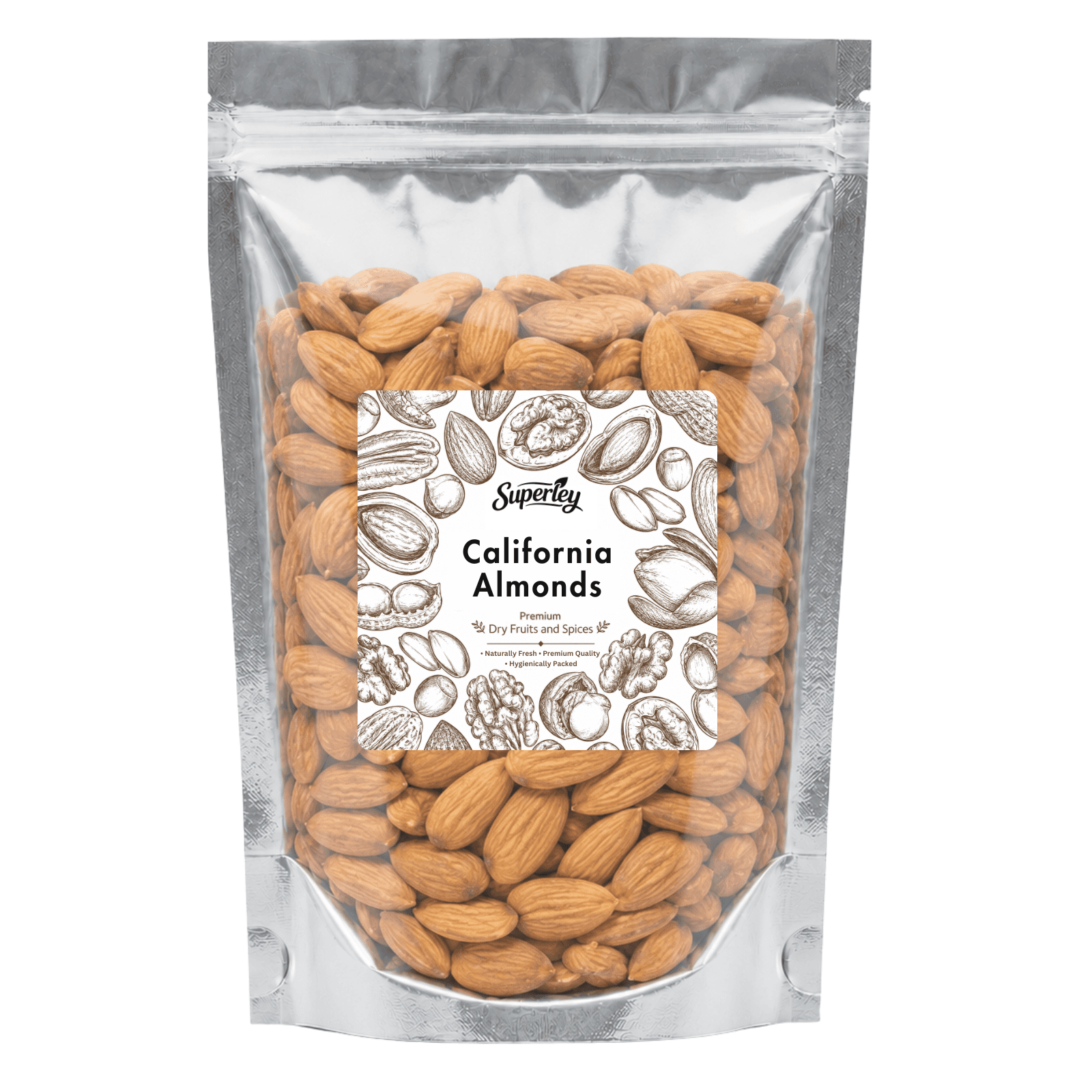
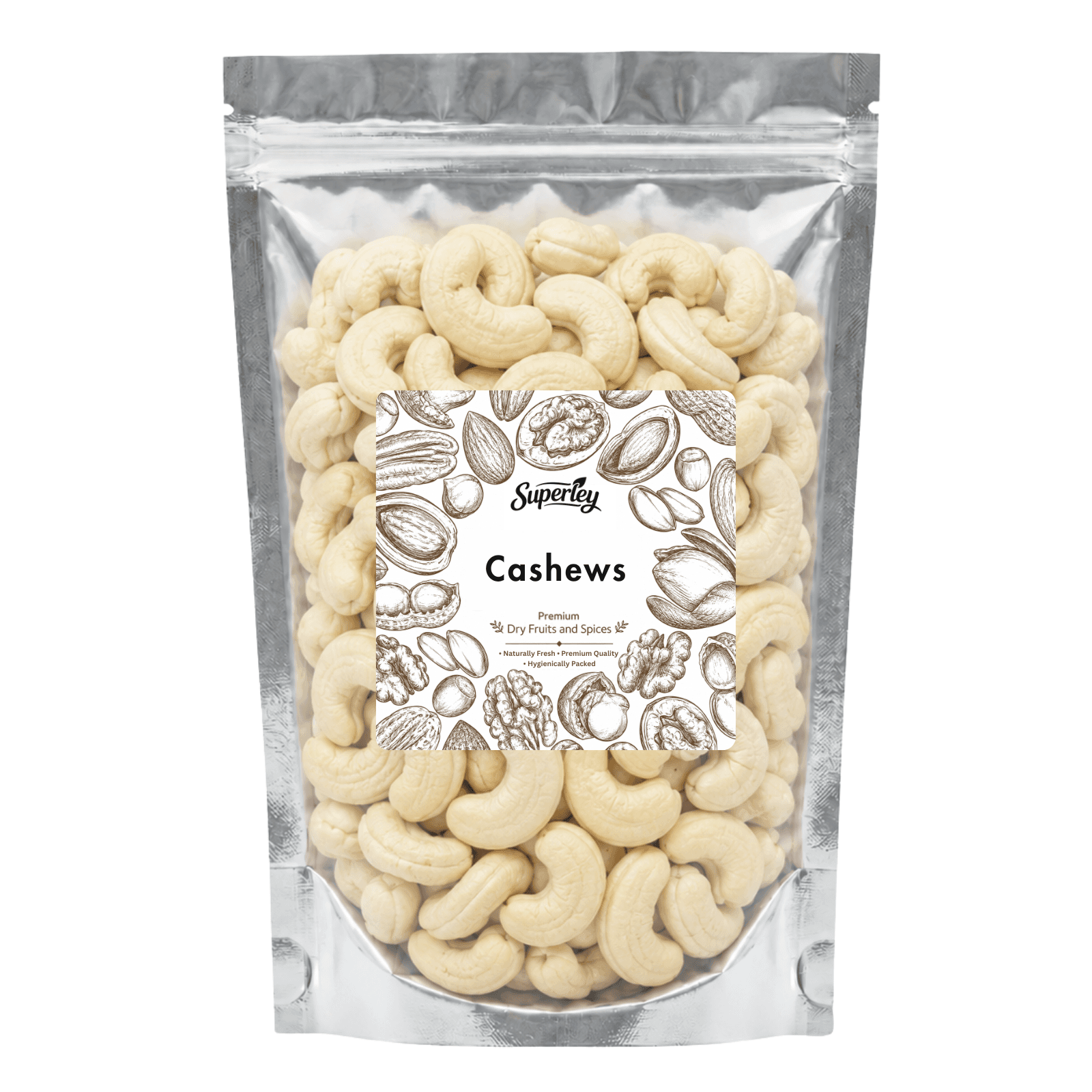
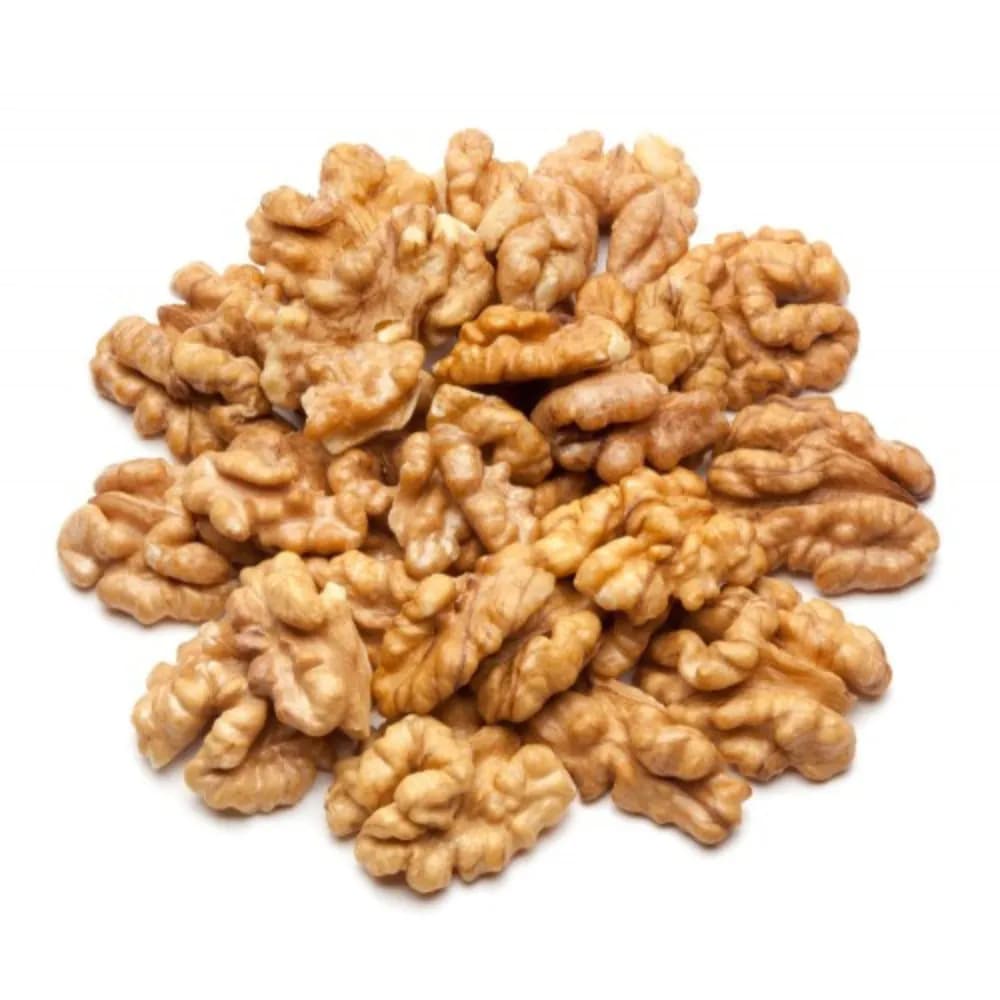
Kashmiri dry fruits, sold by the pack and shipped across India. Walnuts and almonds from the valley sit alongside nuts grown elsewhere, so you can compare them side by side — and we say which is which. What grows in Kashmir Walnuts, including kernels and walnuts in shell Mamra almonds Kagzi almonds Saffron, sold in its own collection Grown outside Kashmir California almonds Cashews Pistachios Pecans and Brazil nuts Mamra, Kagzi or California almonds? Mamra almonds are smaller and denser than the more common California variety, with a higher natural oil content, and cost more for that reason. Kagzi — meaning paper — describes a thin-shelled almond that cracks easily by hand. California almonds are the familiar large, uniform almond most shoppers already know. Pack sizes Most dry fruits come in 200g, 400g and 800g packs, and each product page shows the exact net weight of the pack you choose. Delivery Shipping is ₹59 within India, and free on orders of ₹1,000 or more. Storage Keep dry fruits in an airtight container, away from heat and light. Walnuts and pine nuts have the most natural oil and keep longest in the fridge. Not sure what something is called? See our guide to Kashmiri dry fruit names in English.
Explore Collection arrow_forward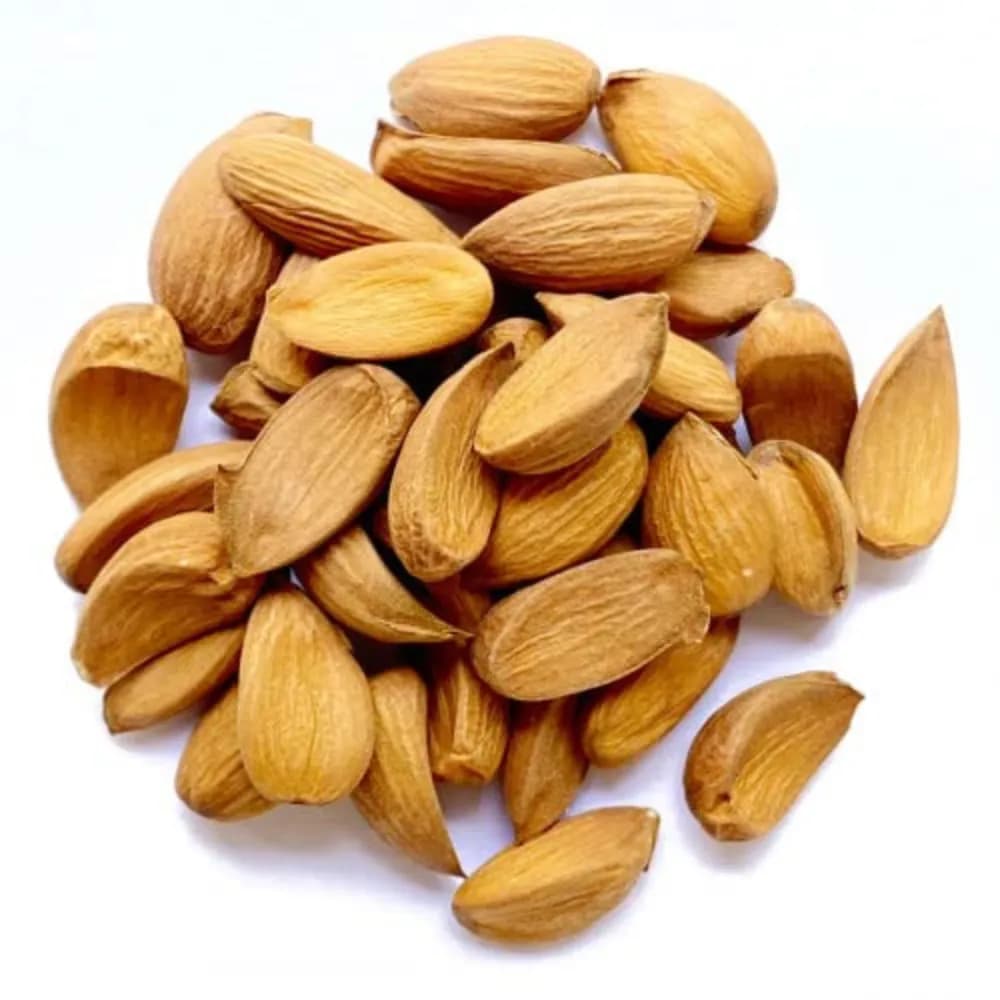
Saffron
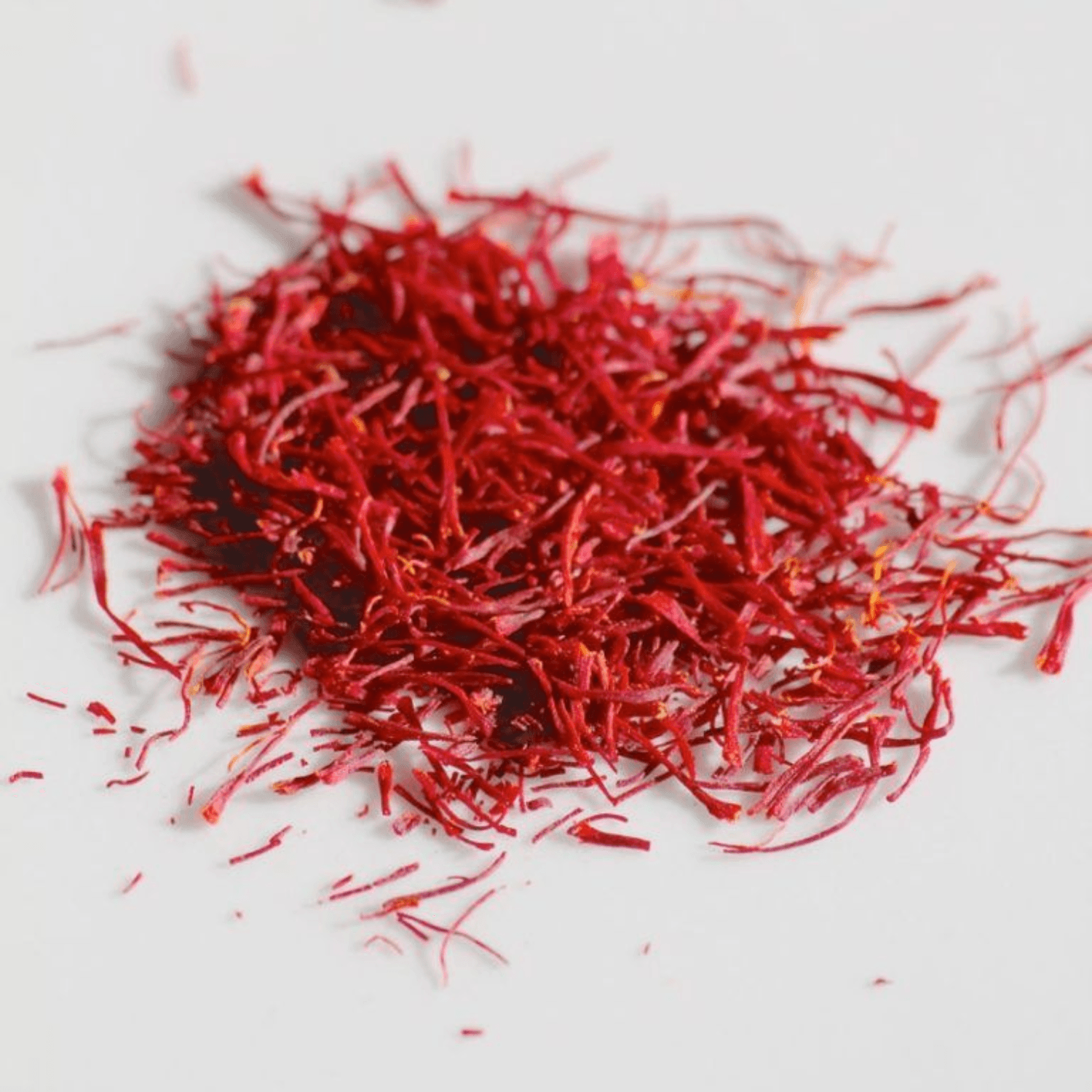
Saffron is the world's most expensive spice by weight, and the most faked. Kashmiri saffron carries a GI (Geographical Indication) tag, a legal designation that only saffron grown in Kashmir's Pampore belt may use, in the same way Champagne may only come from Champagne. Before you pay a premium, the question worth asking any seller is where the saffron was grown, not merely where it was packed. Mongra or Lachha Mongra is the top grade: only the red stigma, cut away from the yellow style, so every thread is the part that carries colour and aroma Lachha is the whole thread with the pale style still attached, which weighs more per thread and colours less per gram Grade is worth asking about whenever you compare two prices per gram, because the cheaper one is often Lachha How to tell real from fake at home Real threads colour warm water slowly, releasing gold, never bright red at once The threads keep their trumpet shape when soaked and do not dissolve Rubbed between wet fingers, real saffron stains your skin yellow-orange, not red Dyed substitutes and safflower petals fail all three tests, and our guide walks through each one How much to use Kahwa: 4 to 5 threads per cup, steeped in the hot water with the tea Kheer or phirni: 10 to 12 threads for half a litre of milk, soaked first in a spoon of warm milk Biryani for four: about 15 threads, bloomed in warm milk and poured over the rice A glass of milk: 3 to 4 threads, left to steep for a few minutes Storing it Keep saffron airtight, away from light and heat, and it holds its aroma for two to three years A kitchen drawer is better than a windowsill; the fridge is unnecessary and risks moisture Buy the pack size you will finish, which is why we sell 1g and 5g rather than bulk jars What it costs Our 1g pack is the size most households buy for kahwa, kheer and festival cooking. The 5g box suits regular cooks and gifting, and works out cheaper per gram. Every pack states its net weight, and prices include GST. Saffron makes a considered gift, particularly during Diwali, and the gifting page has pairings with almonds and walnuts at a few budgets.
Explore Collection arrow_forward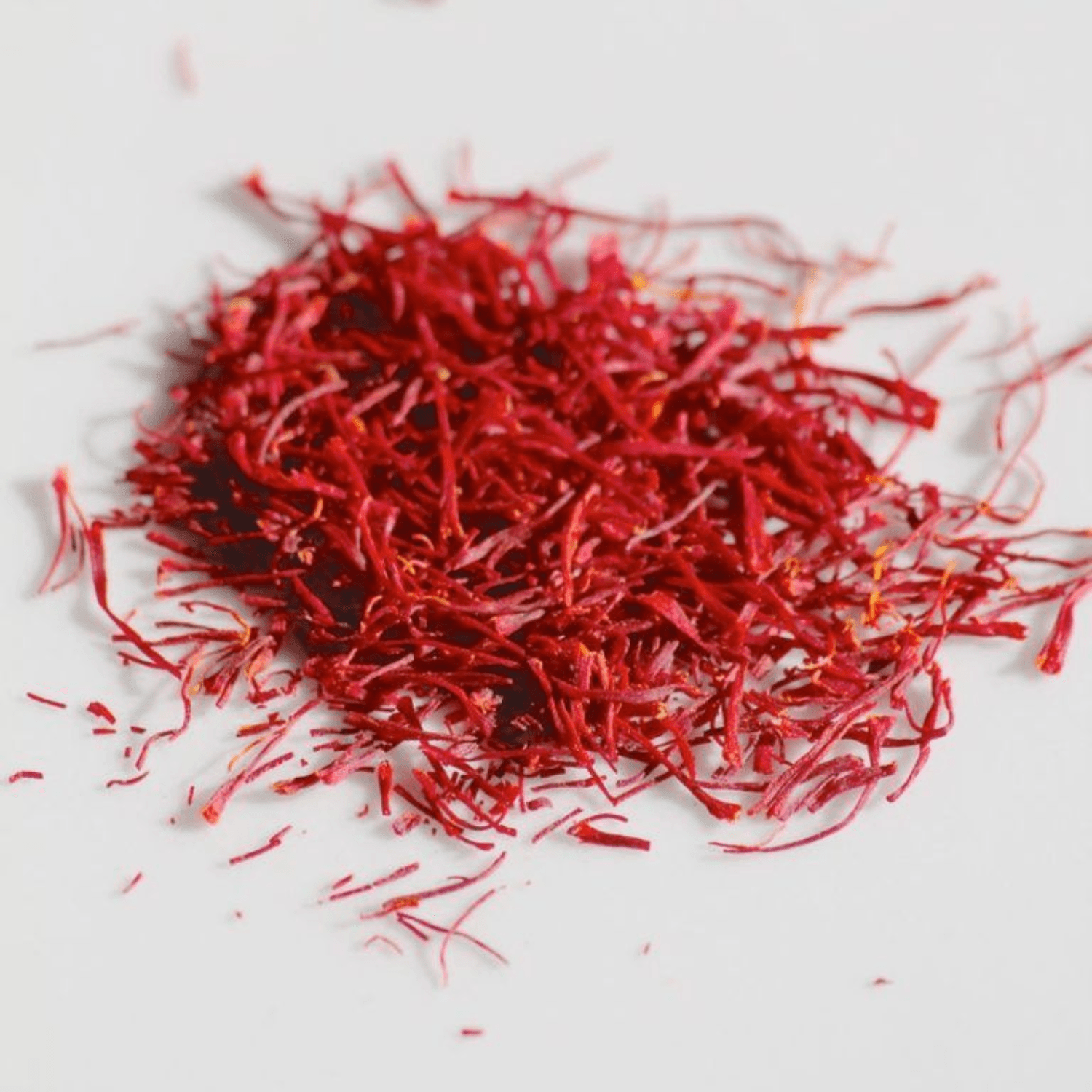
Spices
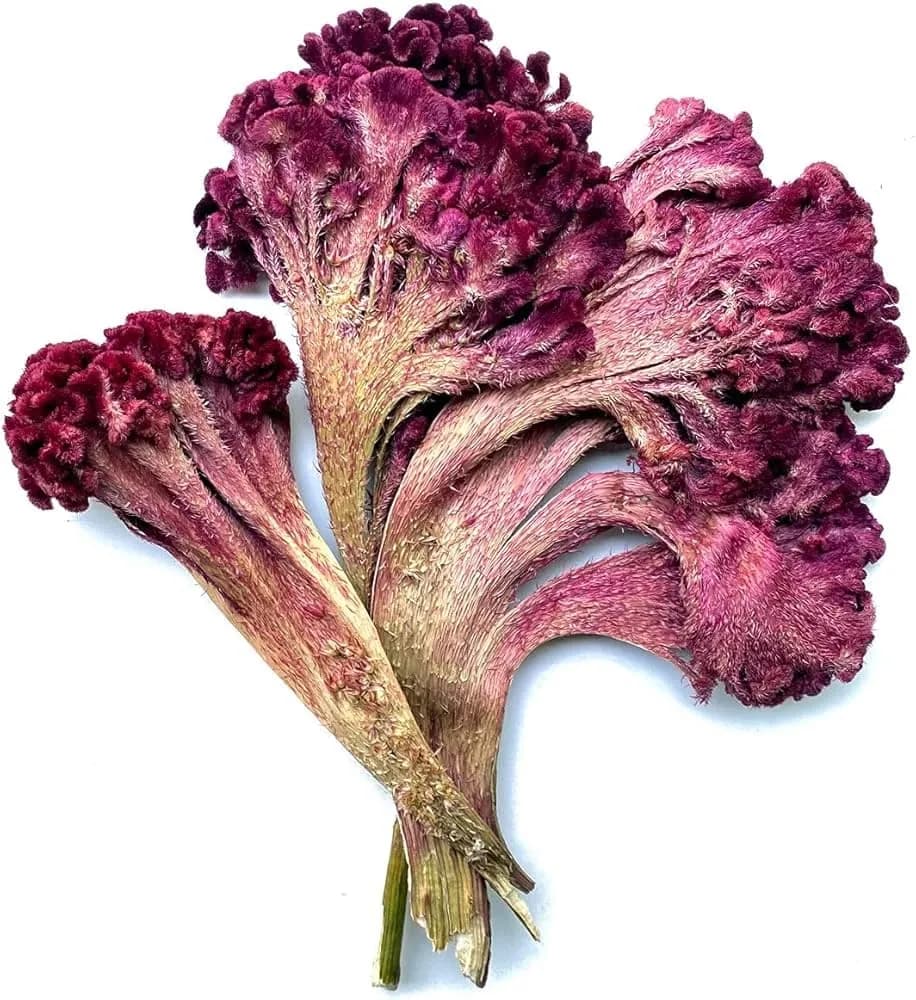
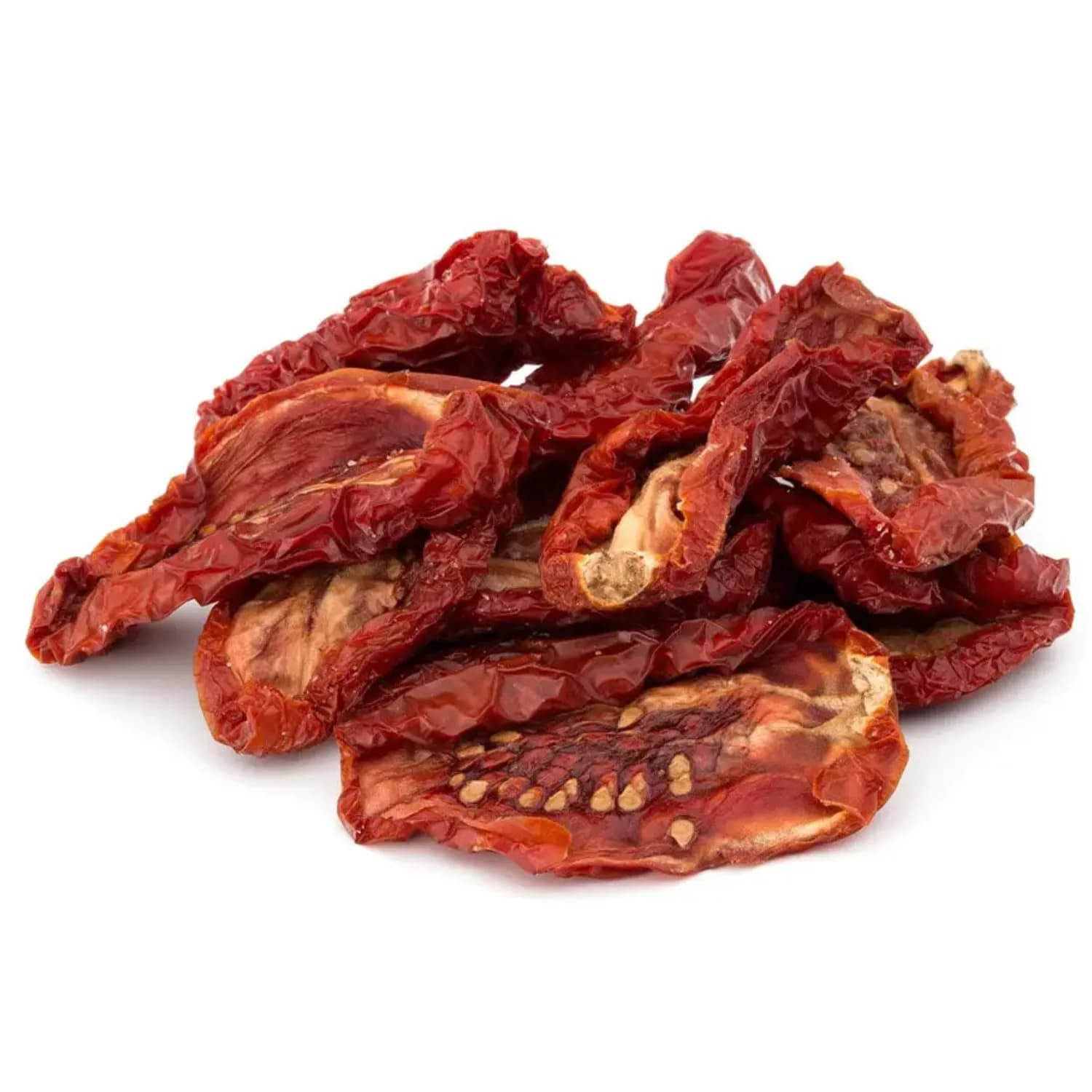
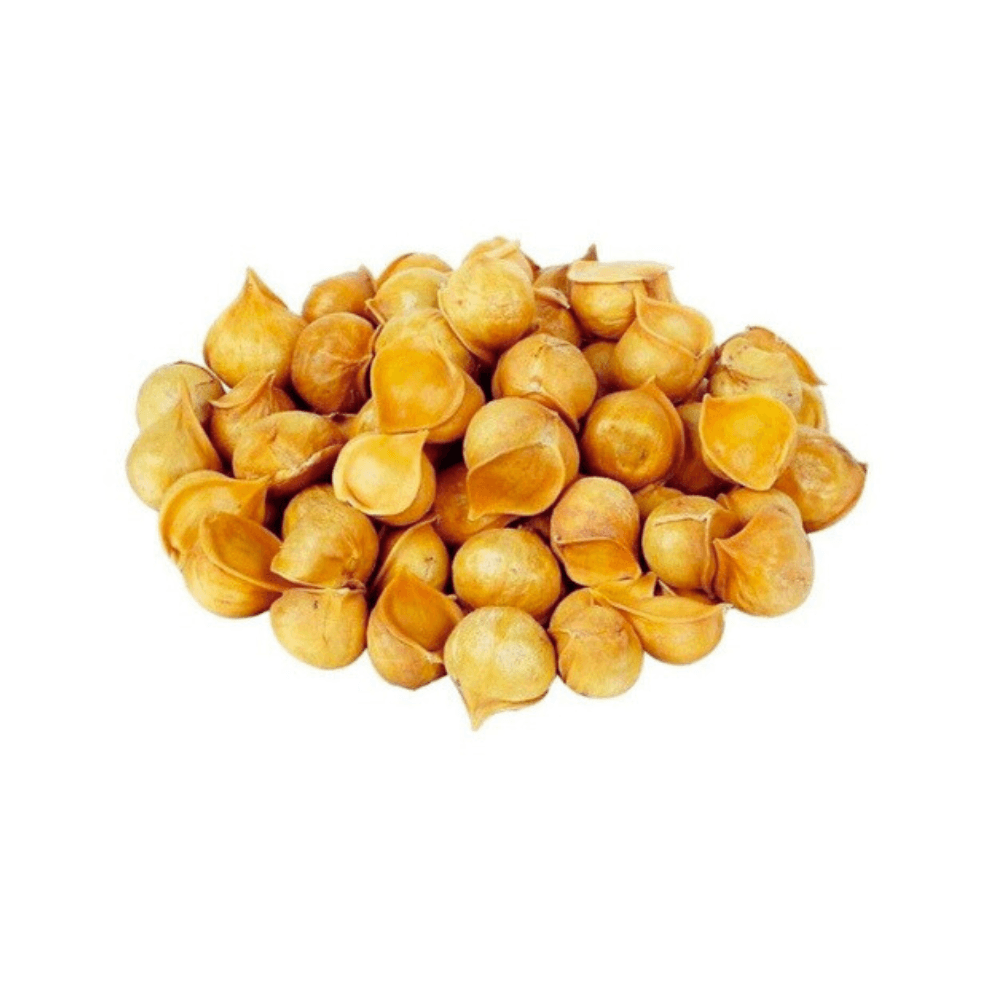
Kashmiri red chilli is prized for a specific reason: it colours a dish a deep red without the intense heat of chillies grown elsewhere, which is why so many North Indian curries lean on it for colour rather than a hotter variety. That's the chilli powder in this collection — sun-dried and stone-ground the traditional way. Alongside it you'll find a few things that don't show up in most spice collections: dried cockscomb flower (used in herbal preparations and natural dyeing as much as cooking) and Ruwangan Hach, sun-dried Kashmiri tomatoes with a smoky tang regular tomatoes don't have. Kashmiri mountain garlic rounds out the everyday cooking staples. These are ingredients specific to Kashmiri kitchens, not a generic global spice rack — worth trying even if you've never cooked with them before.
Explore Collection arrow_forward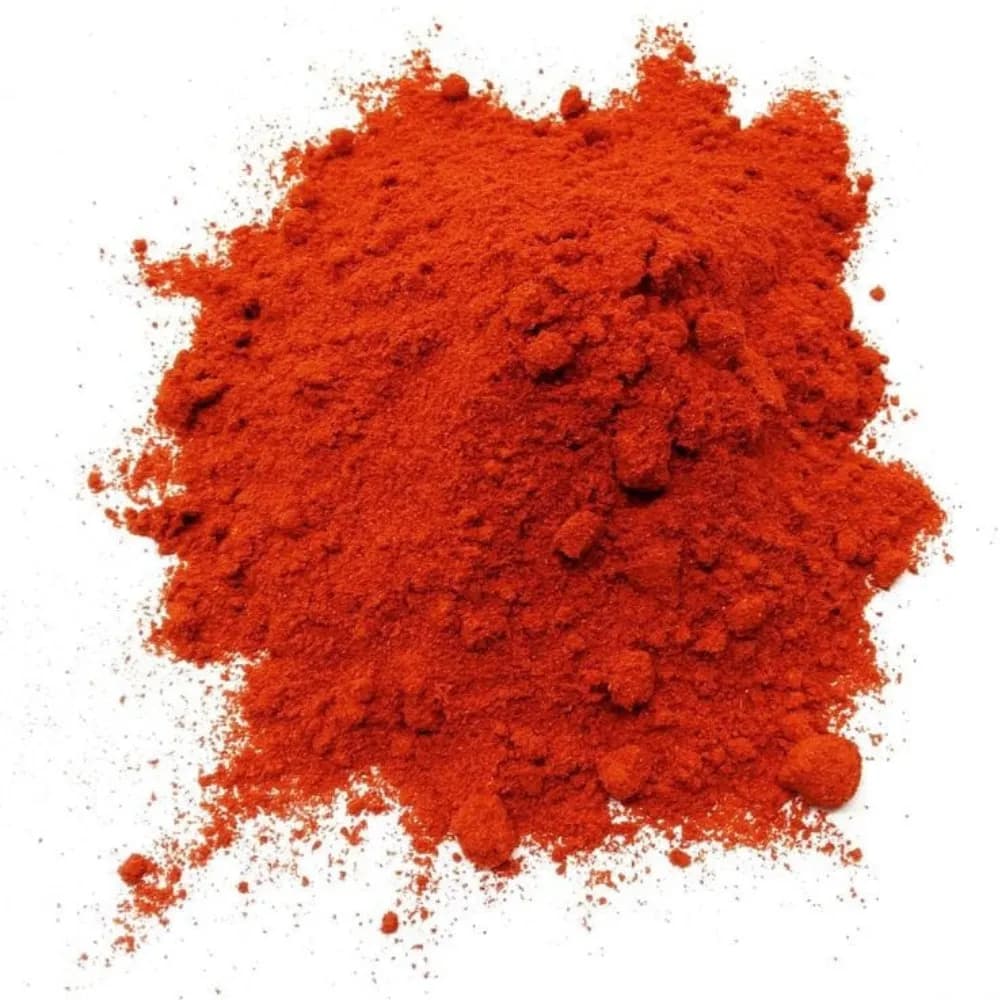
Shilajit
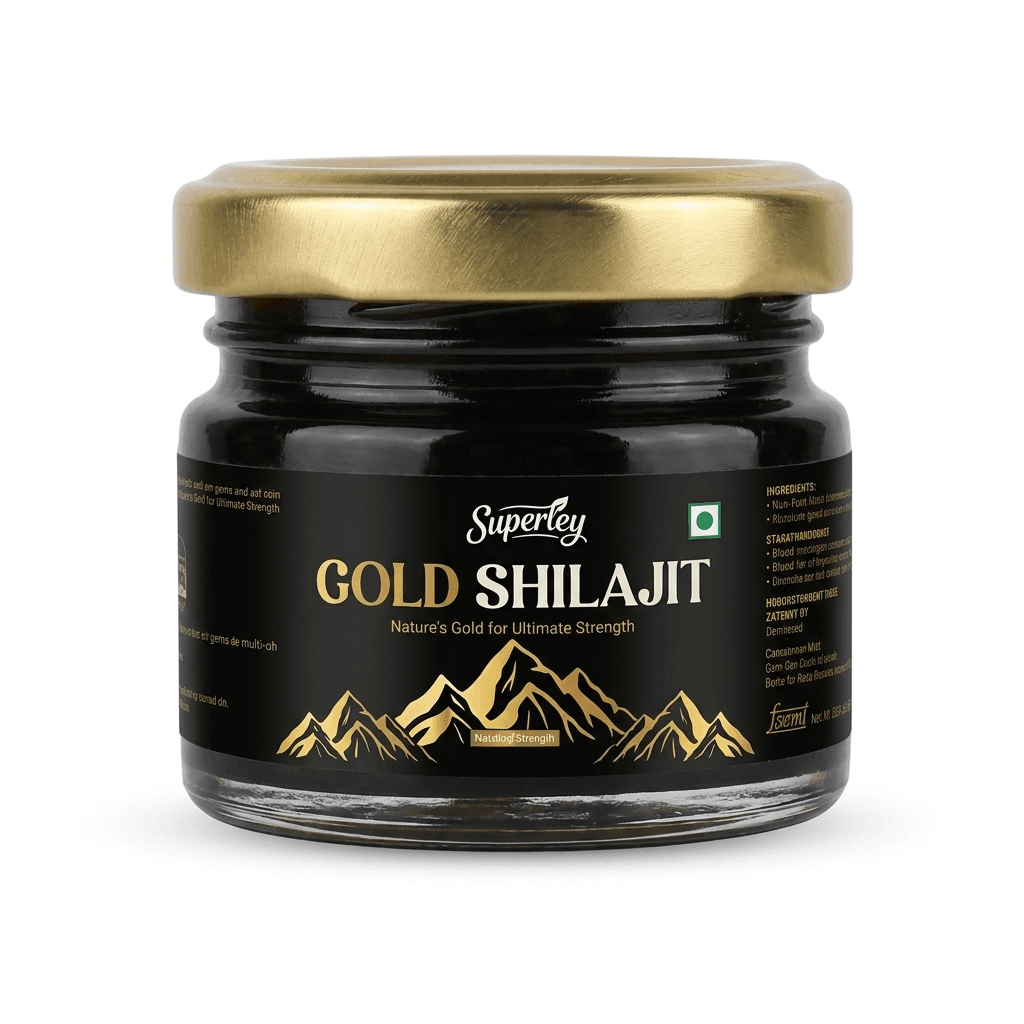
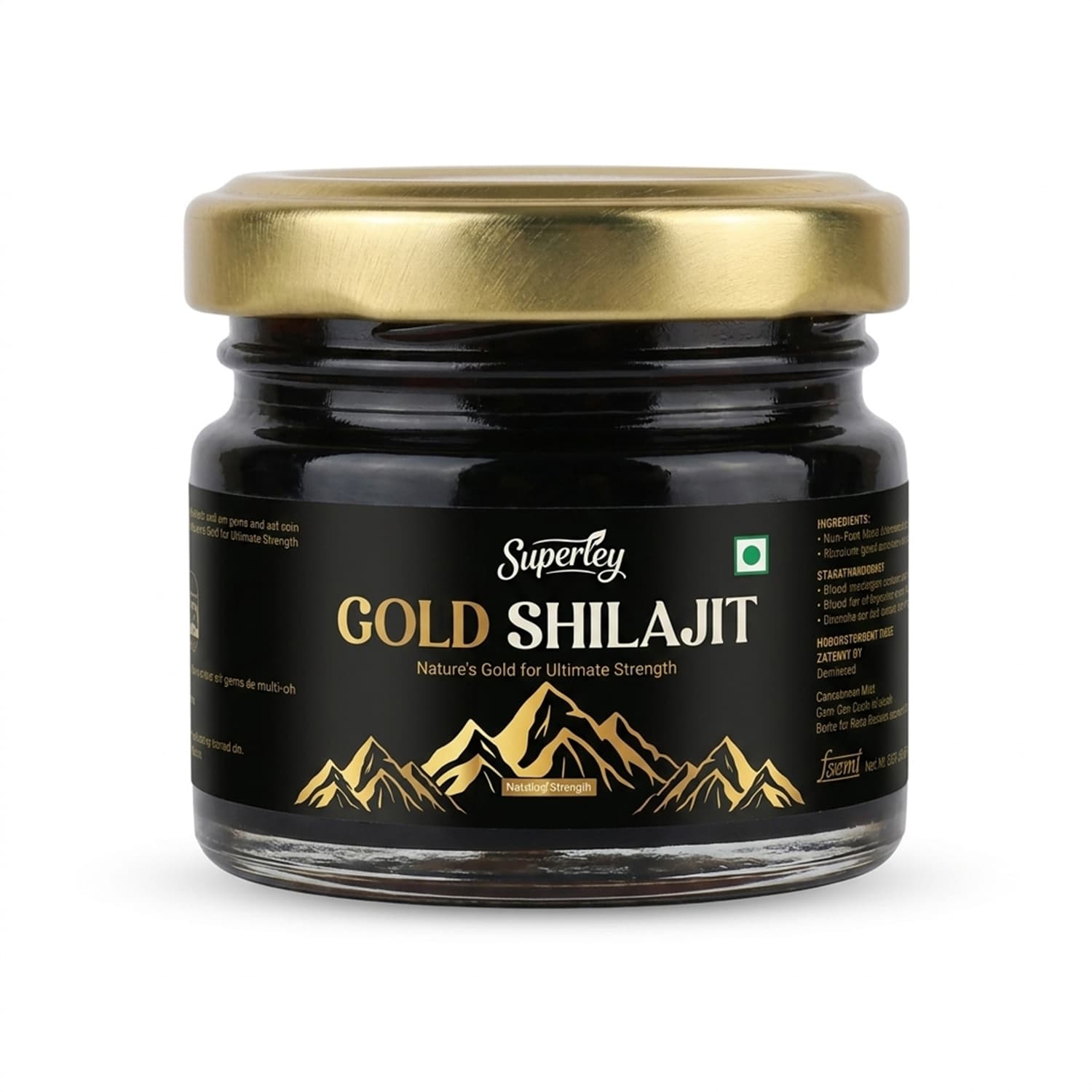
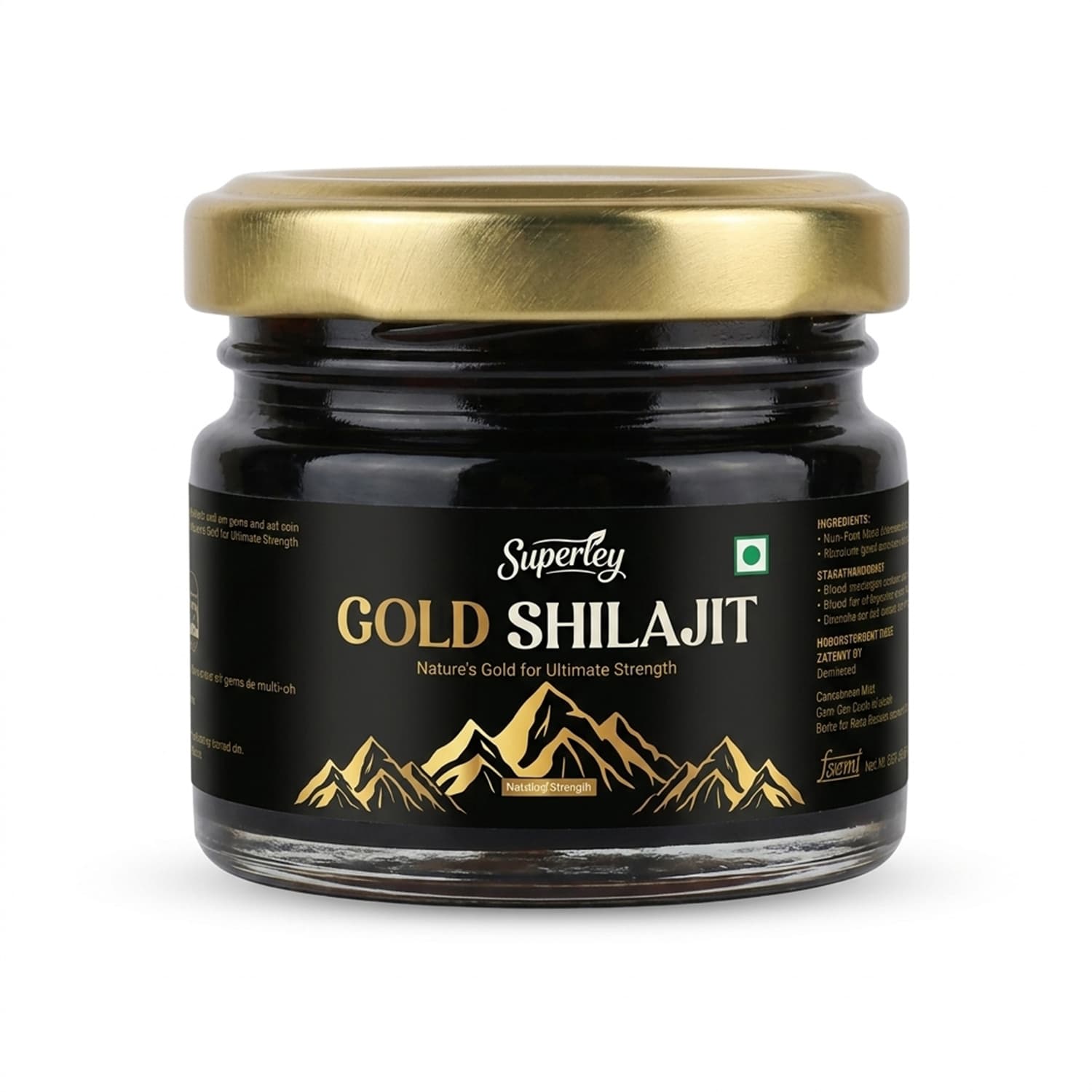
Shilajit is a resin that forms over centuries as plant matter breaks down under pressure in high-altitude Himalayan rock — it's not manufactured, it's harvested from what the mountain has already done to it. Ours is sourced from altitudes above 16,000 feet, then purified using traditional heat processing rather than harsh chemical solvents. Each batch is lab-tested for heavy metals and fulvic acid content before it reaches a jar, and the results are something we can show you, not just claim. A small pea-sized portion (roughly 300-500mg) dissolved in warm water or milk is the standard daily serving most people start with. If you're new to shilajit, start with the FAQ below before you start with the jar — dosage, storage, and what "purity" actually means are worth five minutes before your first pinch.
Explore Collection arrow_forward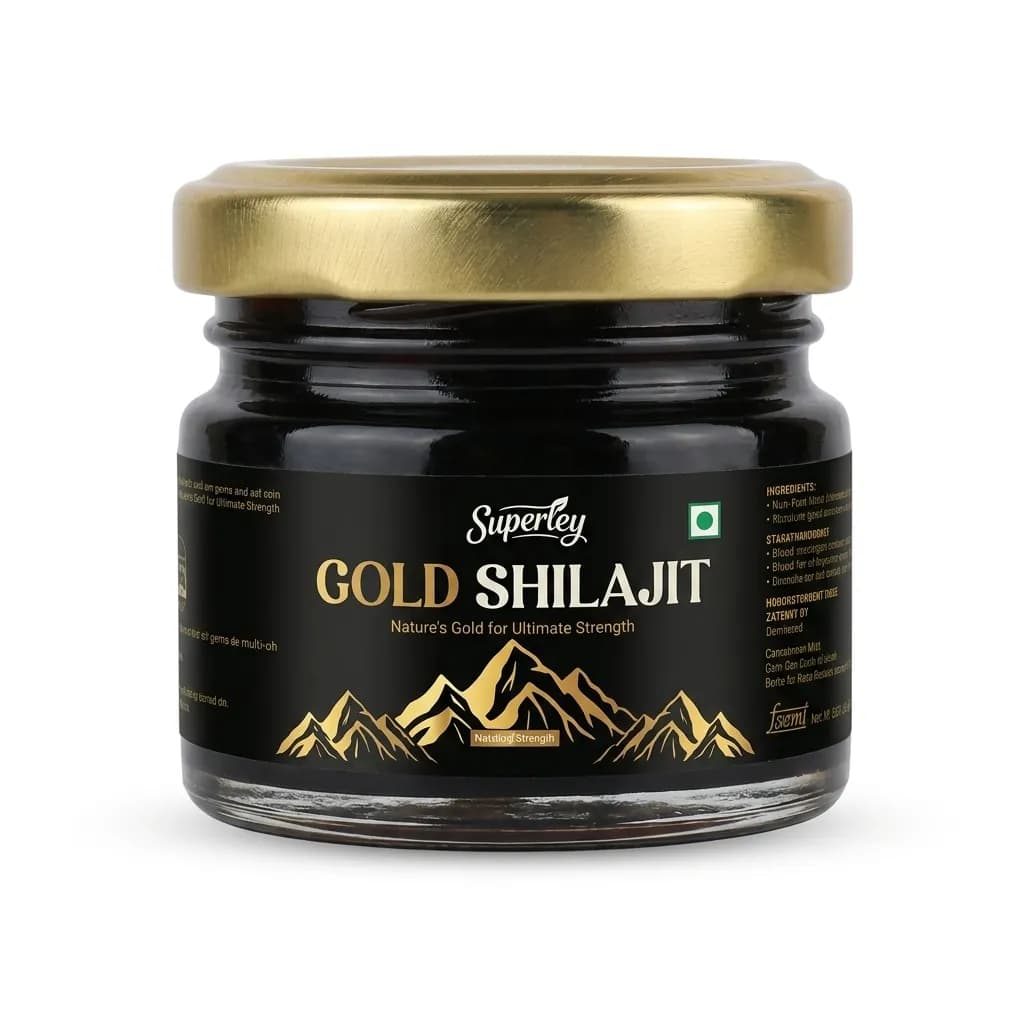
Natural Staples
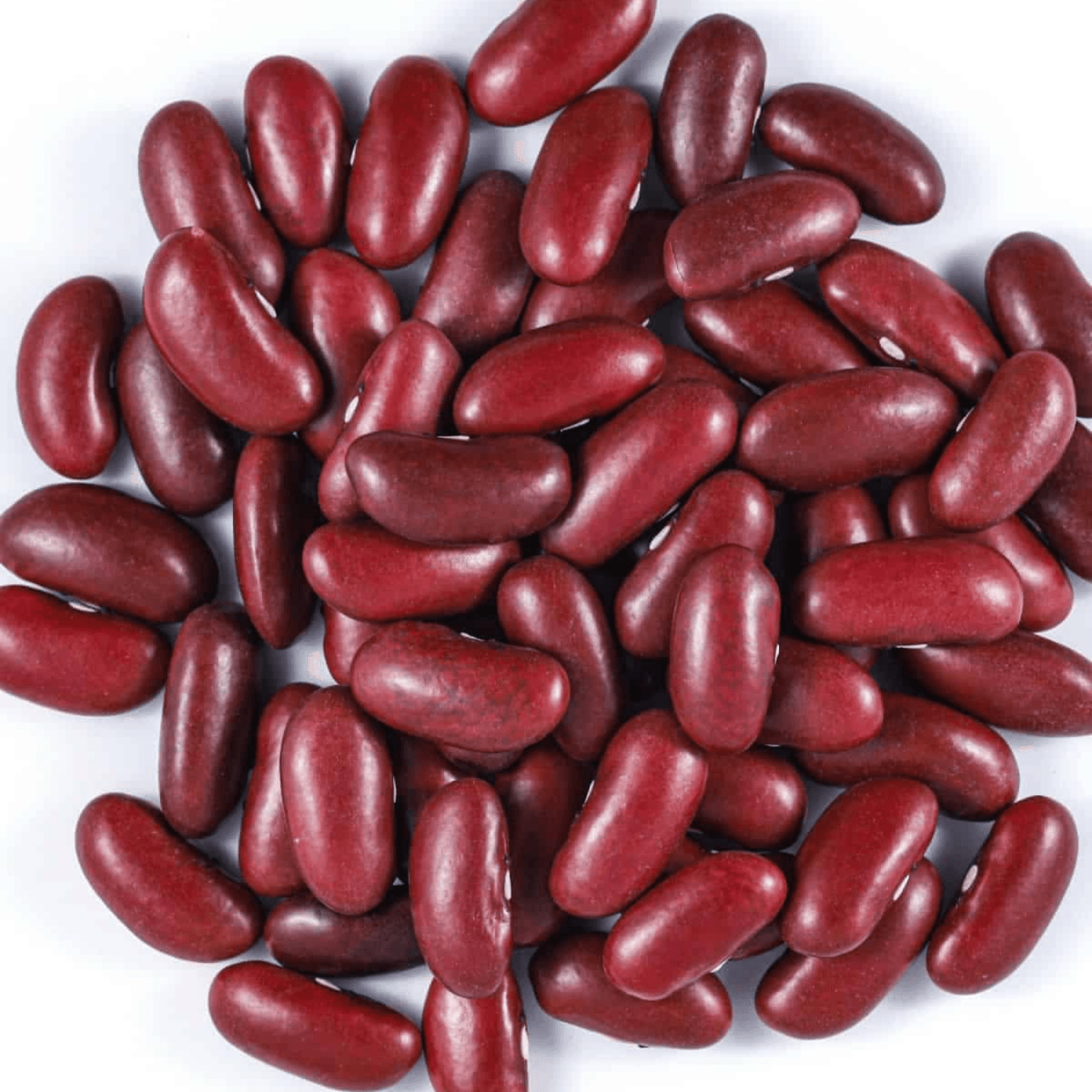
Rajma grown in Kashmir's valley soil has a reputation among people who cook it regularly for holding its shape and texture better through a long simmer than rajma grown elsewhere in India — it's a regional variety, not just a regional recipe. This collection keeps it simple: Kashmiri rajma and black beans, cleaned and packed without the polishing agents some bulk pulses get treated with to look shinier on a shelf. Both cook the same way you'd expect any dried legume to — soak overnight, simmer until tender — so there's no learning curve here, just a difference in the raw ingredient itself. We're keeping this collection focused rather than filling it with every pantry staple under the sun; expect it to grow slowly as we add products we'd actually vouch for.
Explore Collection arrow_forward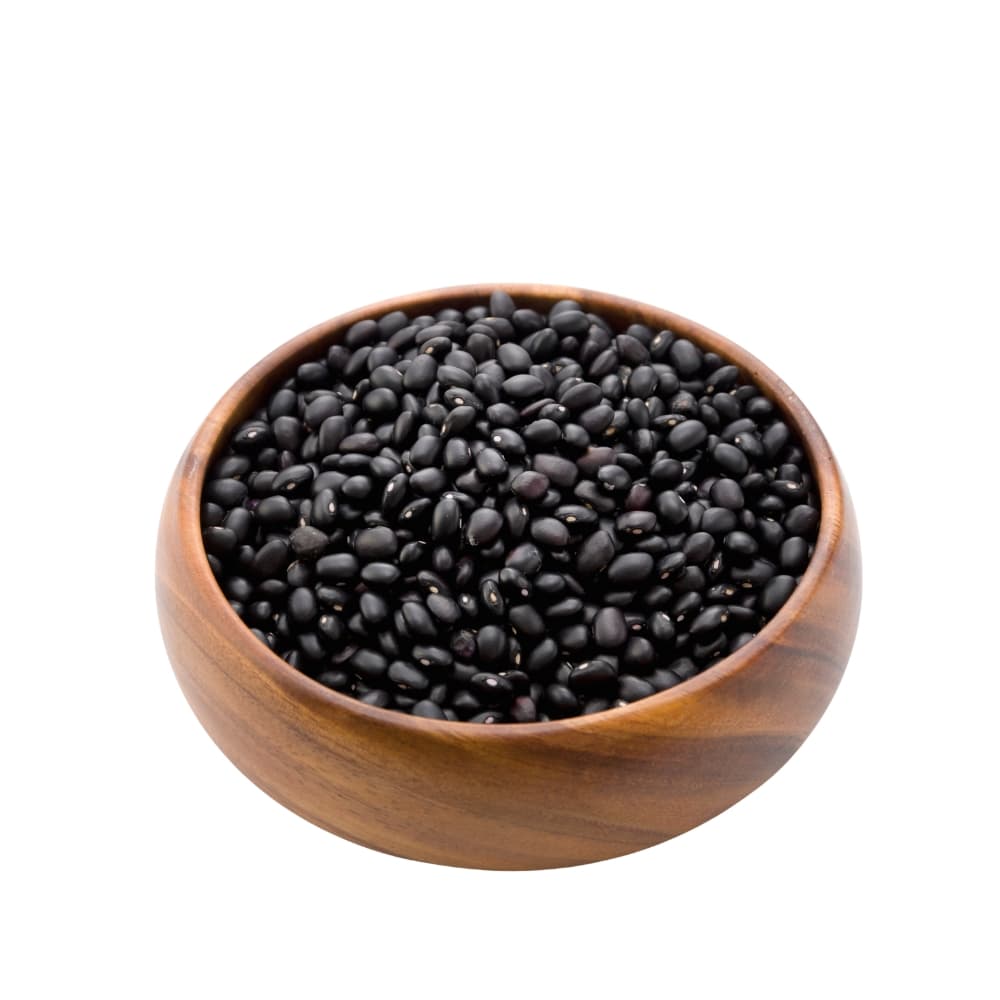
Natural Seeds Collection
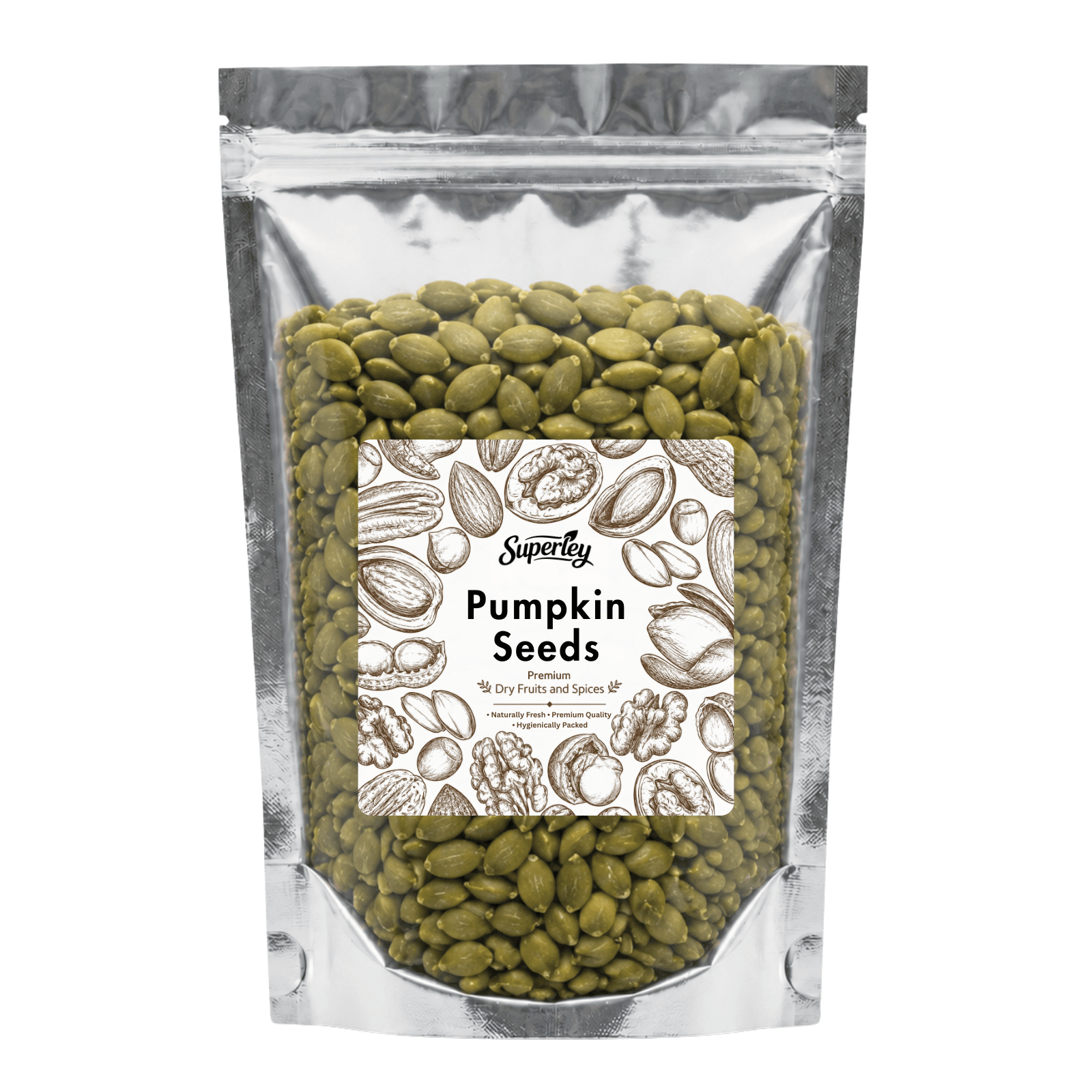
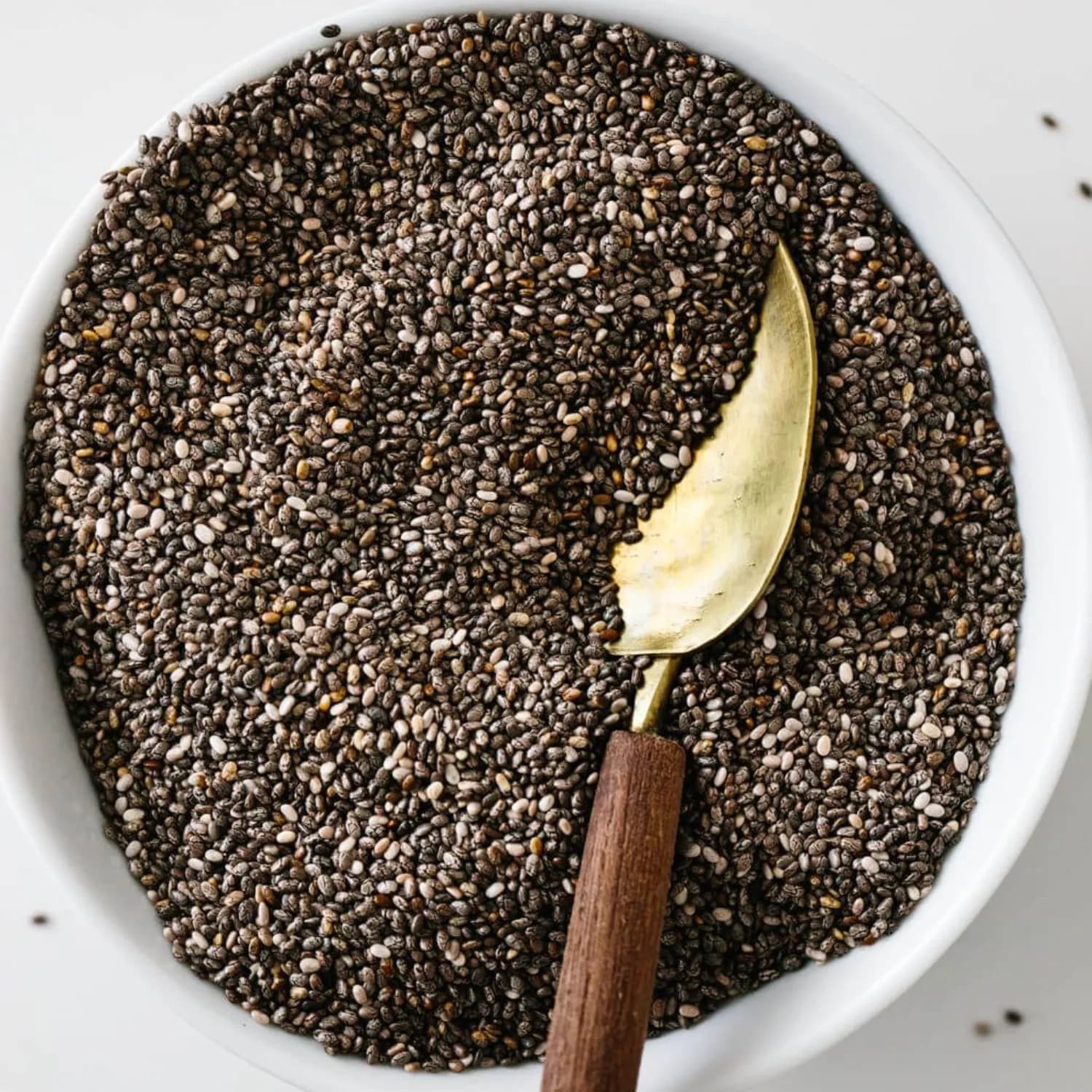
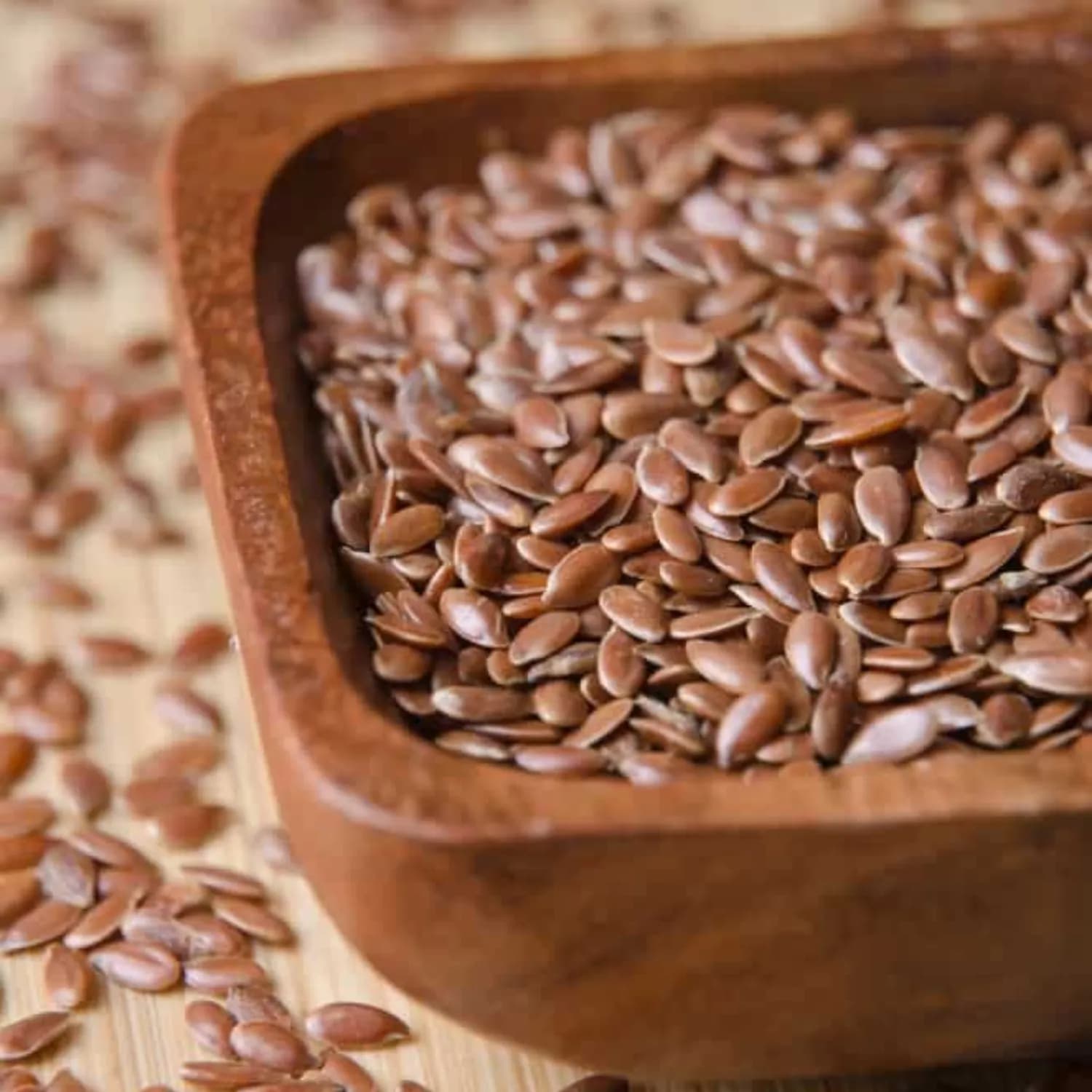
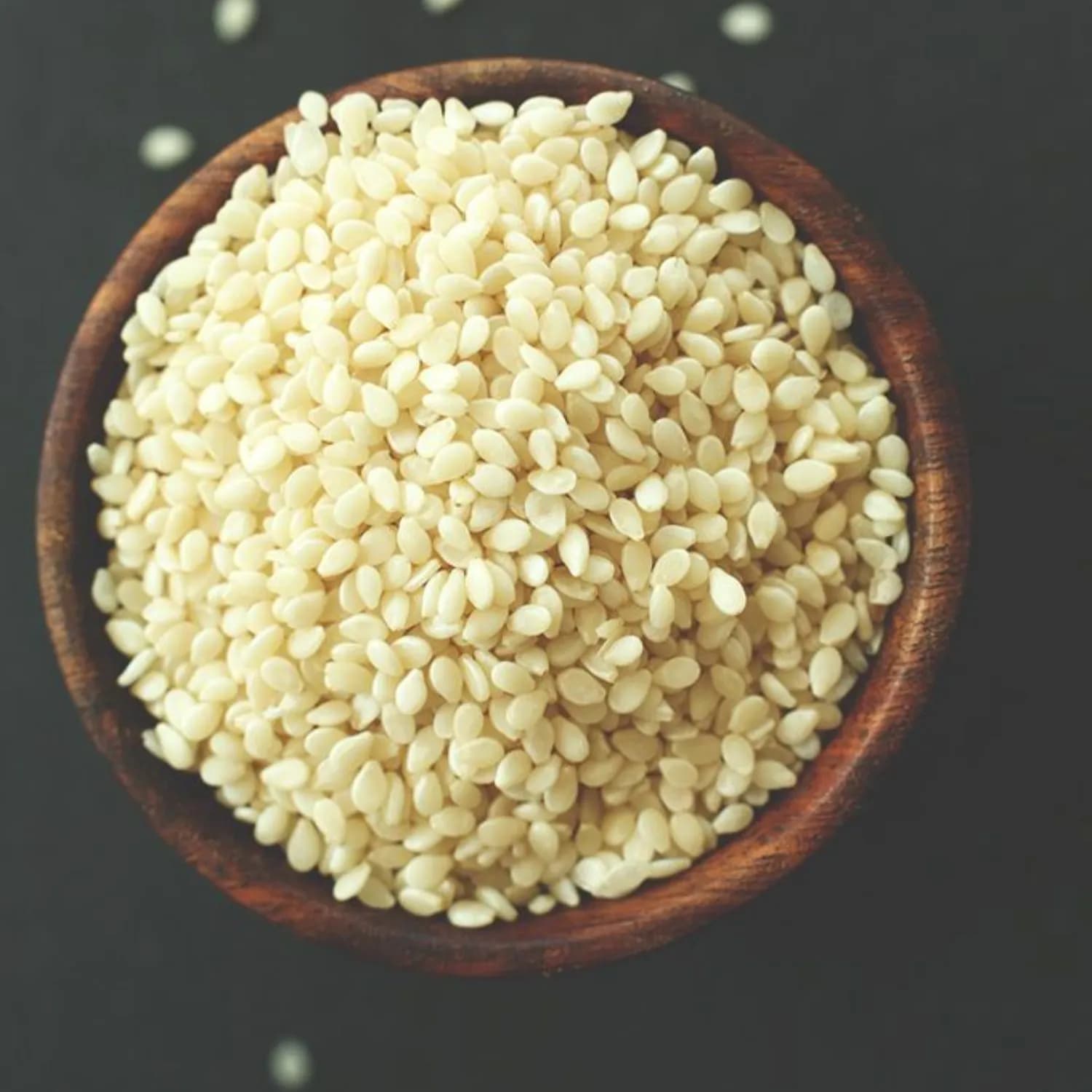
Four seeds, sold as what they are rather than dressed up with "superfood" marketing: chia (for soaking and hydration-heavy uses like puddings and pre-workout drinks), flax (usually ground fresh rather than eaten whole, since whole flaxseed largely passes through undigested), pumpkin, and watermelon seeds for snacking or topping a bowl. All four are commonly used in the same kinds of everyday additions — smoothies, oats, salads, homemade granola — rather than as a meal on their own. We're not going to tell you seeds cure anything; they're a reasonable way to add texture, fat, and micronutrients to food you're already eating. This collection is newer and smaller than the others for now — more seed varieties are on the way.
Explore Collection arrow_forward