verifiedPremium
Sale
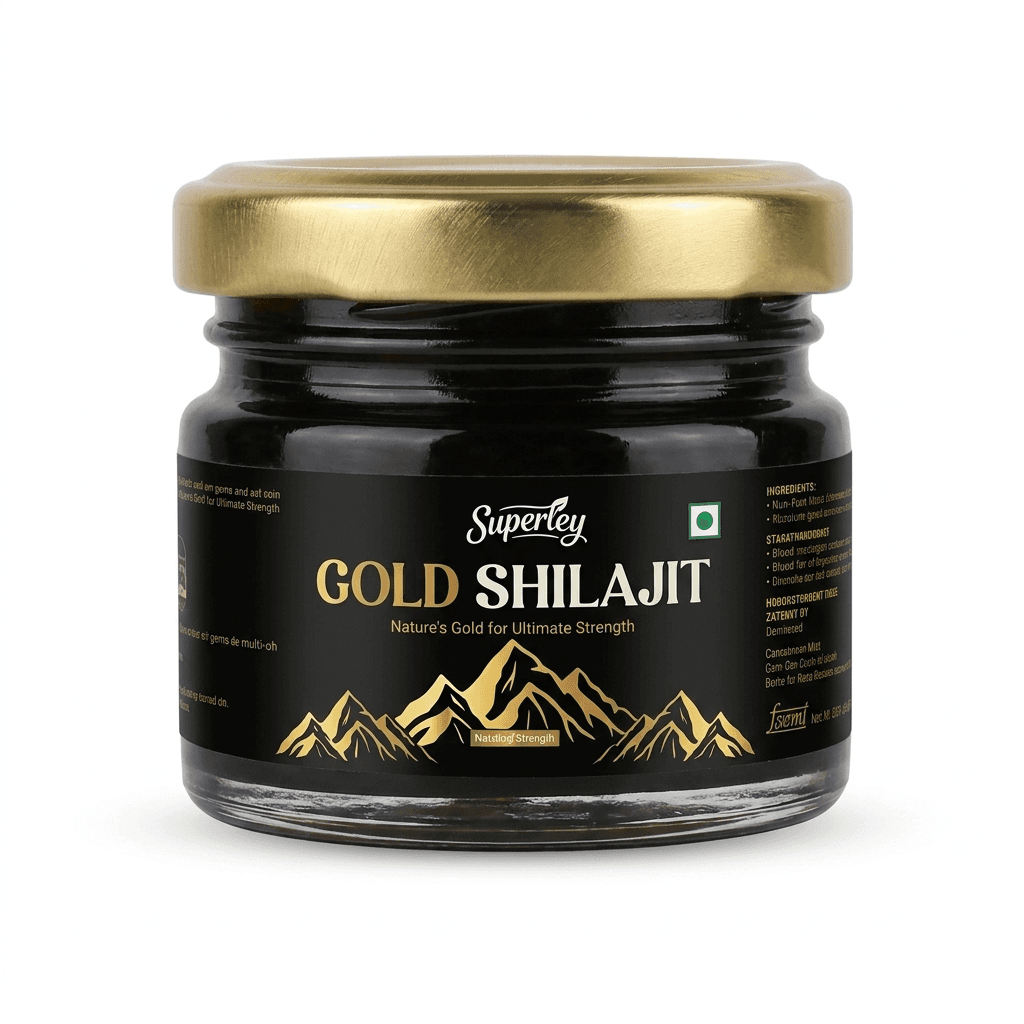
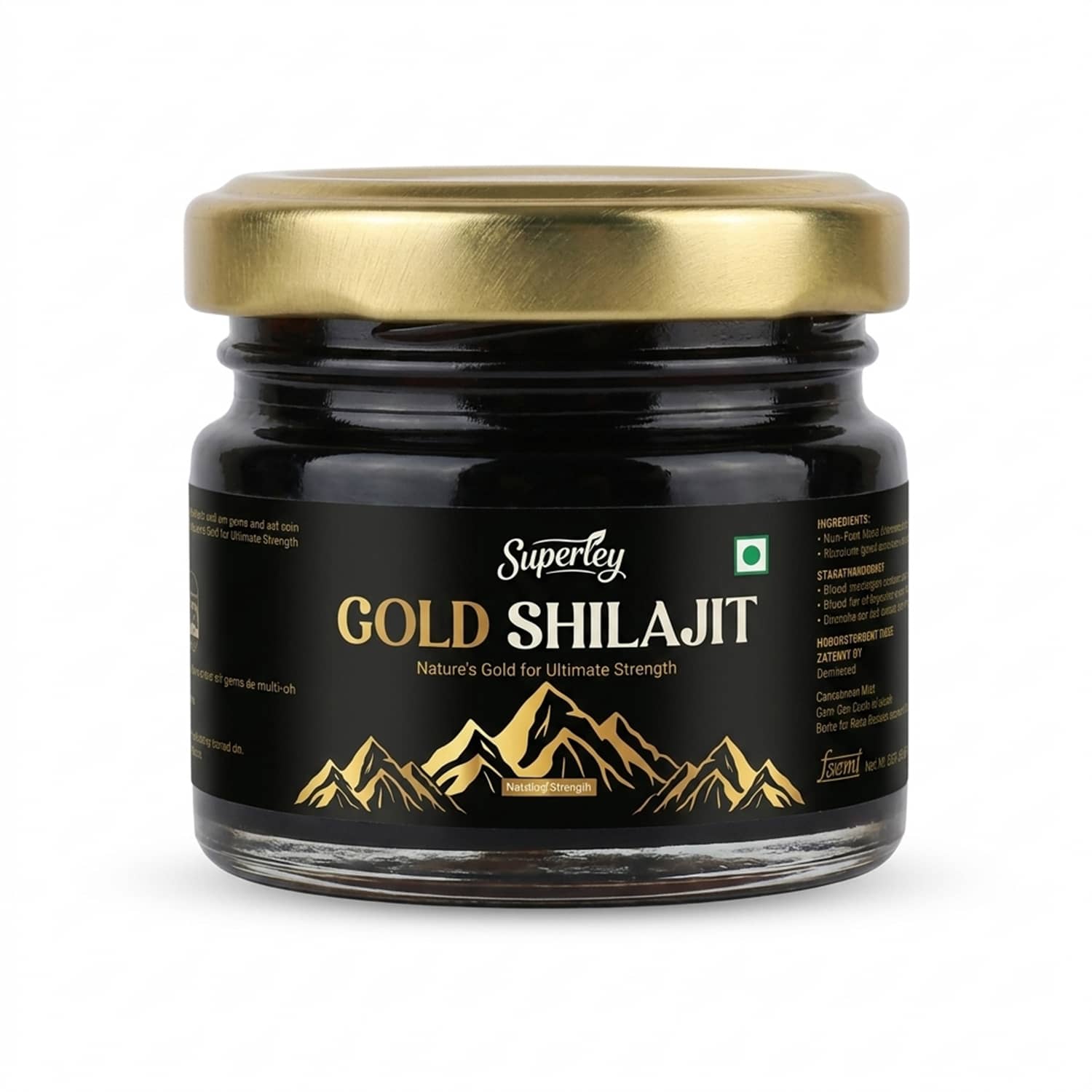
Shilajit is a resin that forms over centuries as plant matter breaks down under pressure in high-altitude Himalayan rock — it's not manufactured, it's harvested from what the mountain has already done to it. Ours is sourced from altitudes above 16,000 feet, then purified using traditional heat processing rather than harsh chemical solvents.
Each batch is lab-tested for heavy metals and fulvic acid content before it reaches a jar, and the results are something we can show you, not just claim. A small pea-sized portion (roughly 300-500mg) dissolved in warm water or milk is the standard daily serving most people start with.
If you're new to shilajit, start with the FAQ below before you start with the jar — dosage, storage, and what "purity" actually means are worth five minutes before your first pinch.
Shilajit is a mineral-rich resin that seeps from high-altitude rock in the Himalayas, formed over centuries from the slow decomposition of plant matter. It’s traditionally valued for its fulvic acid and trace mineral content and is taken as part of daily wellness routines.
Take a small, pea-sized portion (roughly 300–500mg) and dissolve it in warm water, milk, or tea. It’s typically taken once daily, ideally in the morning. Start with a smaller amount if you’re new to it, and check with a healthcare professional if you’re pregnant, nursing, or on medication.
Shilajit is traditionally used to support energy, stamina, and general vitality, thanks to its natural fulvic acid and trace mineral content. It’s a traditional wellness supplement, not a medical treatment — results vary by individual.
In the small daily doses described on the product label, shilajit is widely used as part of ongoing wellness routines. As with any supplement, it’s worth checking with a doctor first if you have an existing health condition or take regular medication.
Keep it in its sealed container in a cool, dry place away from direct sunlight. Properly stored resin-form shilajit has a long shelf life and shouldn’t need refrigeration.