verifiedPremium
Sale
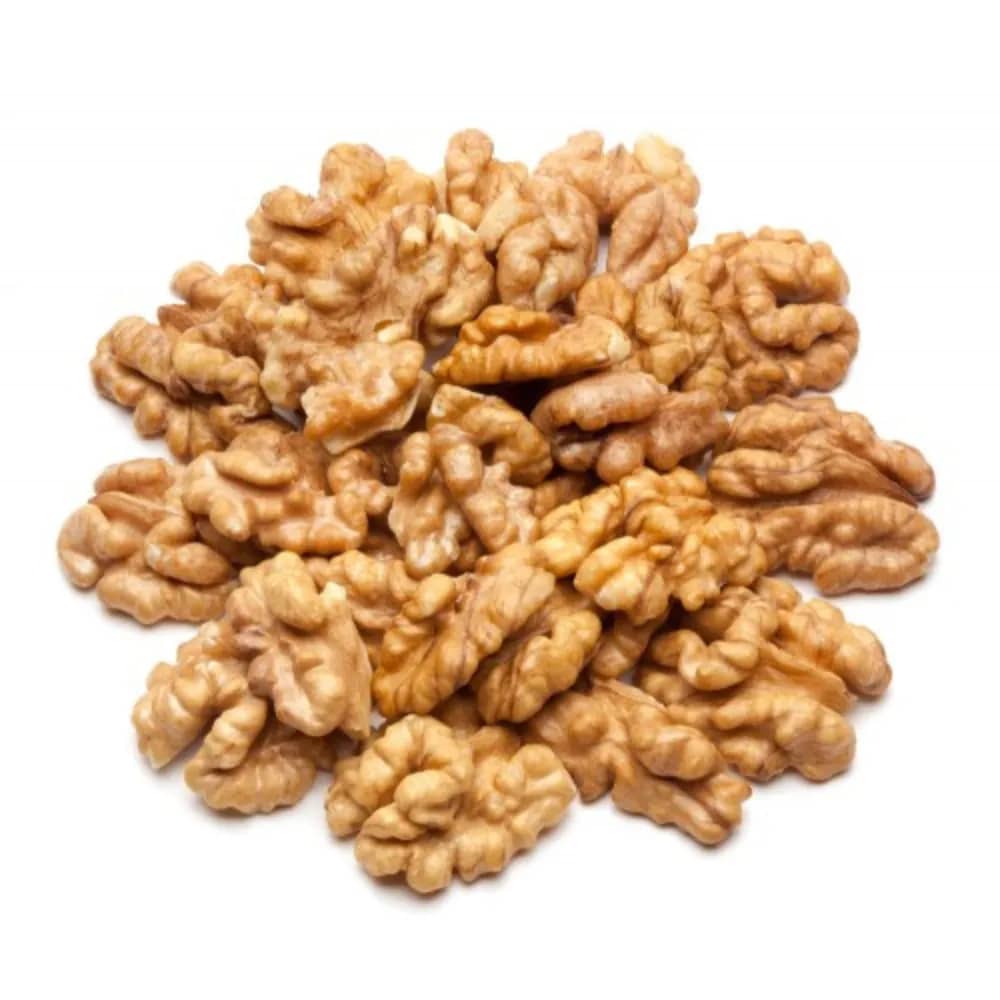
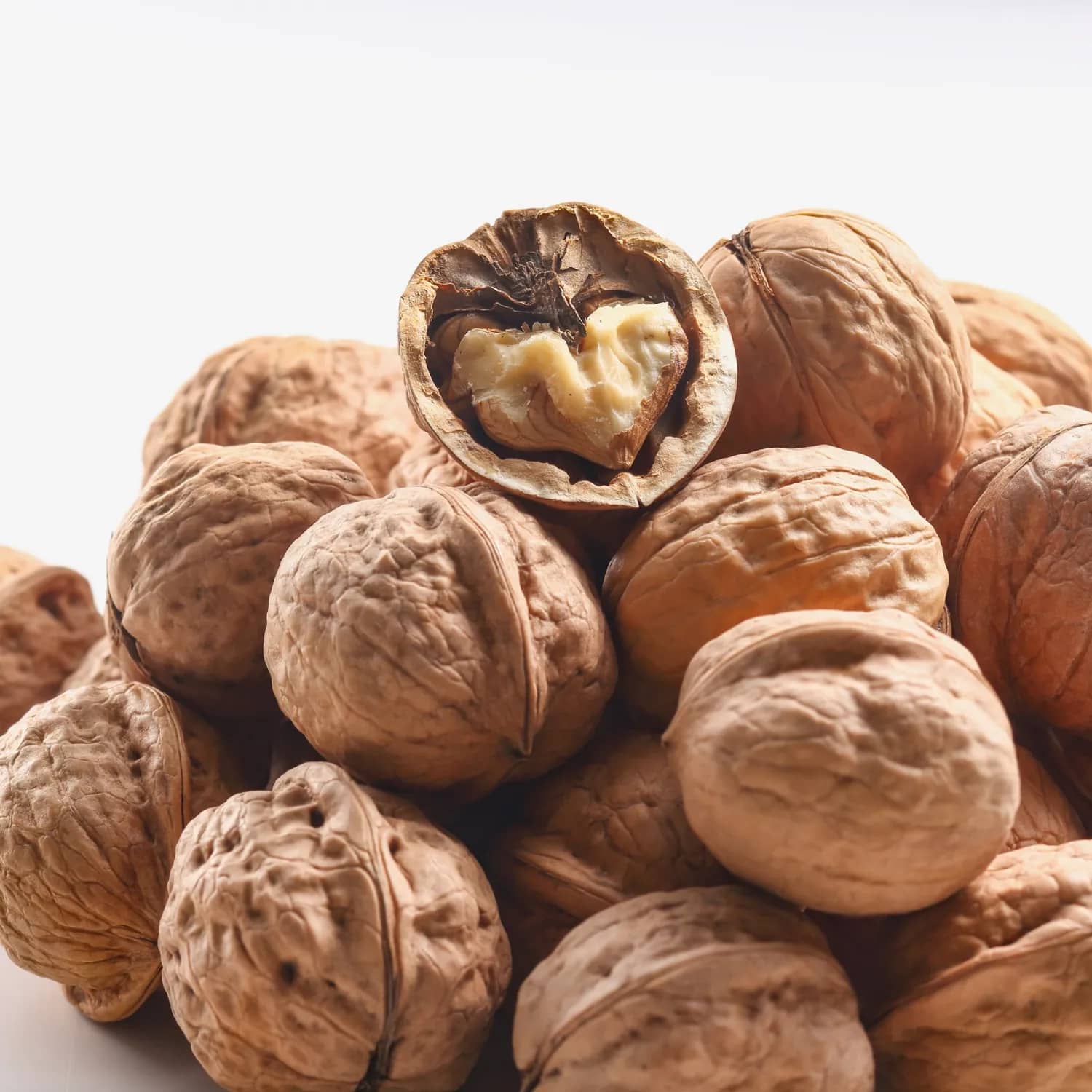
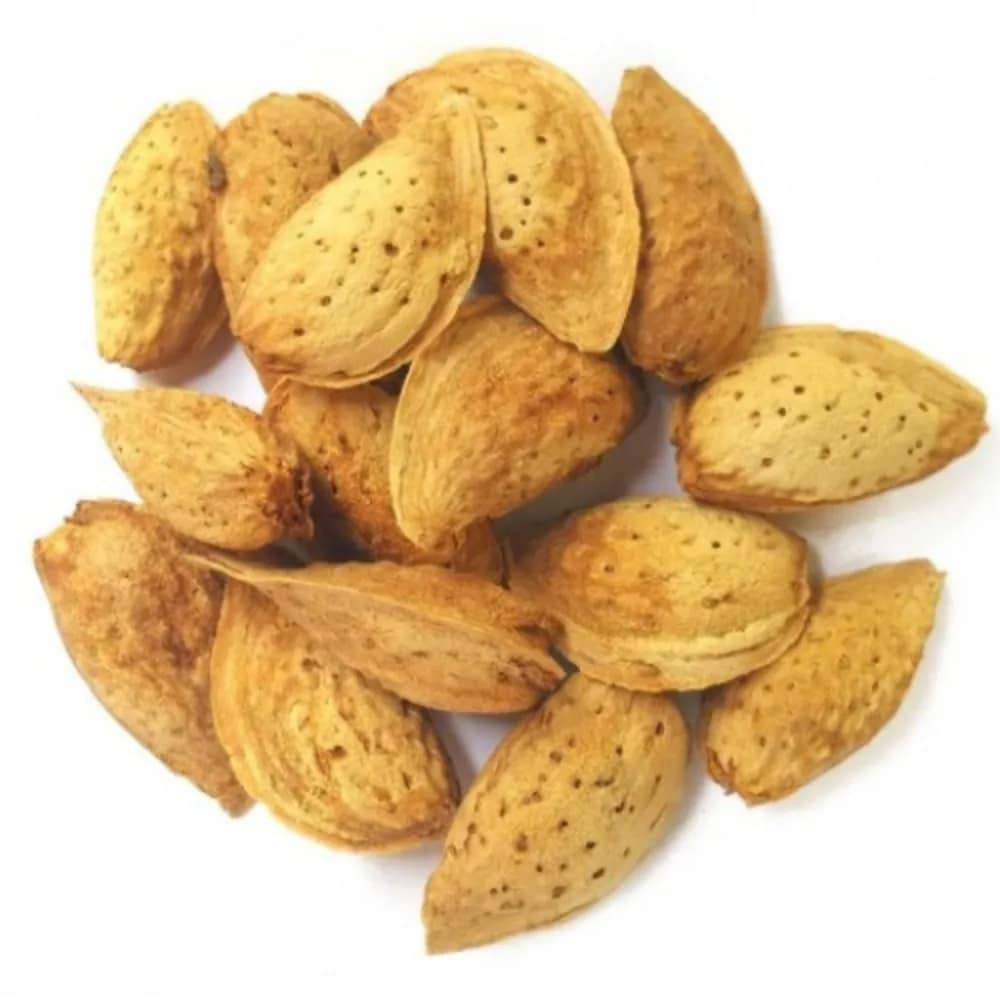
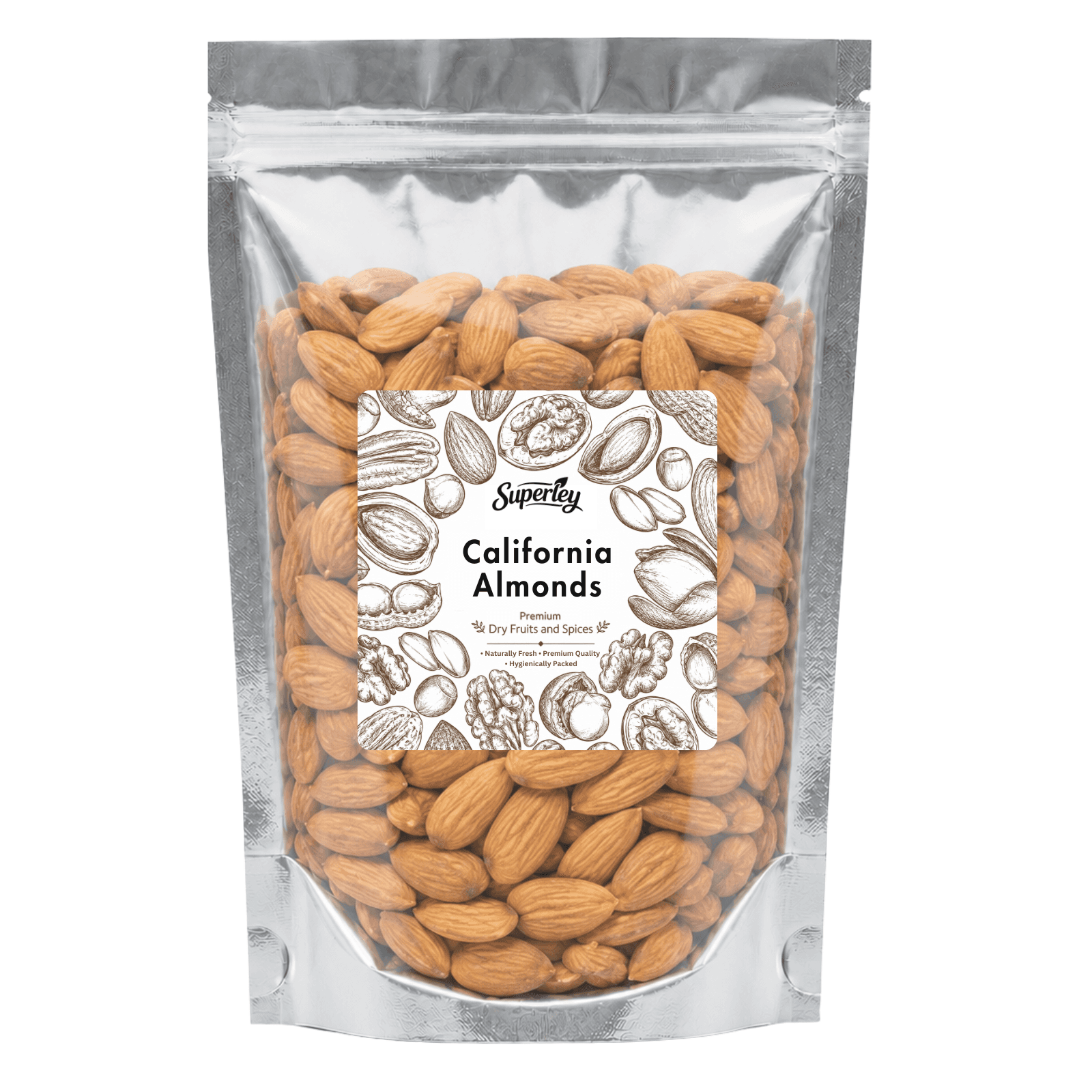
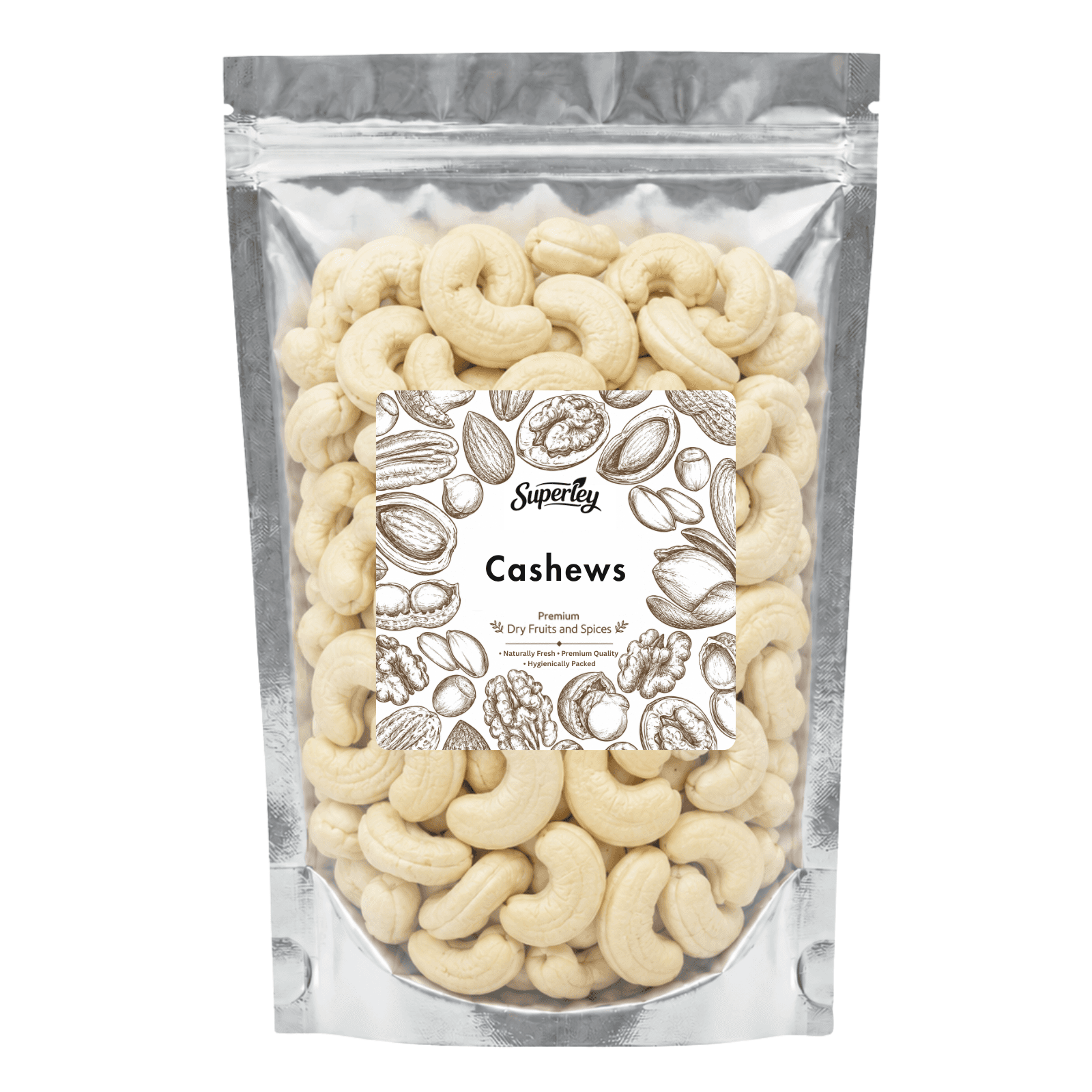
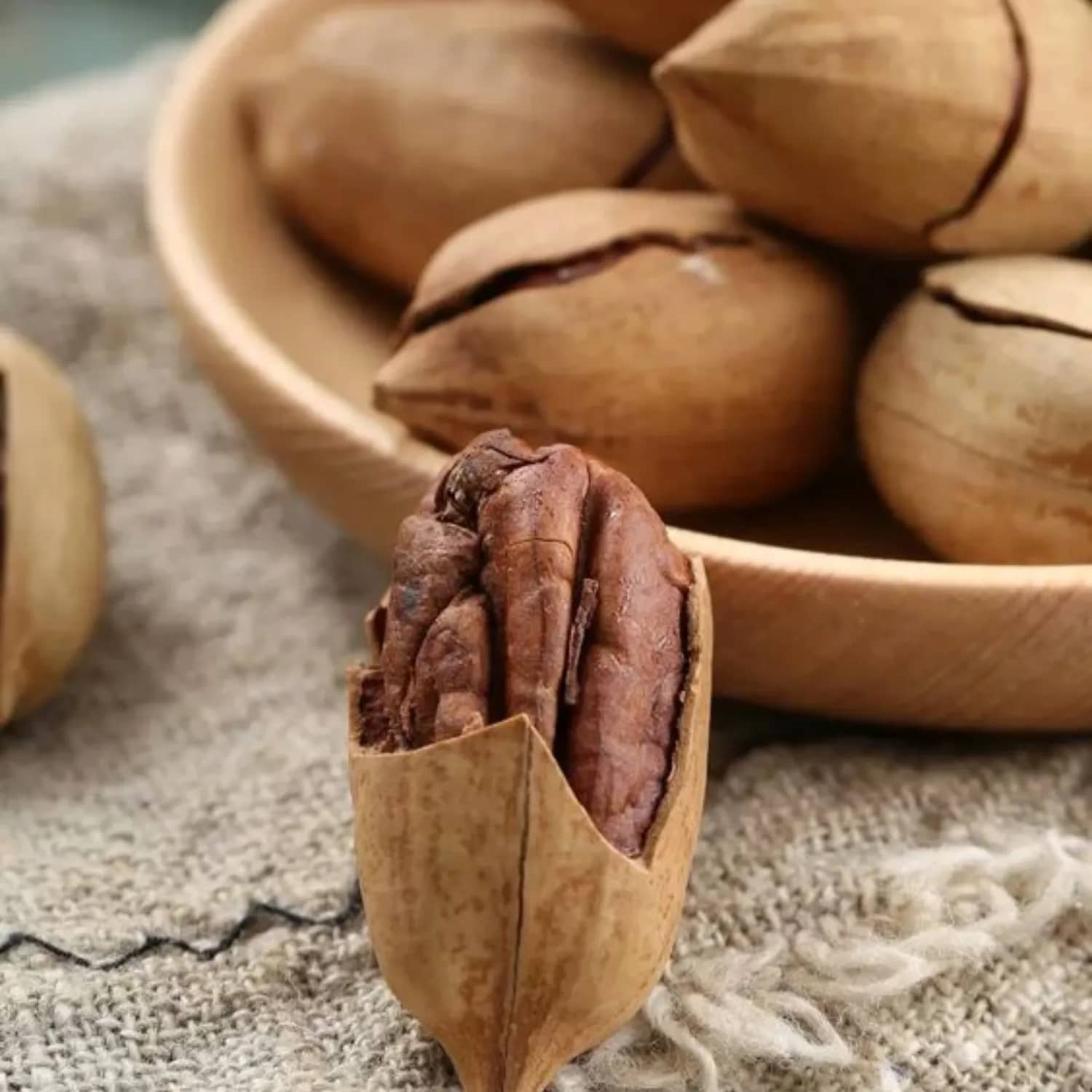
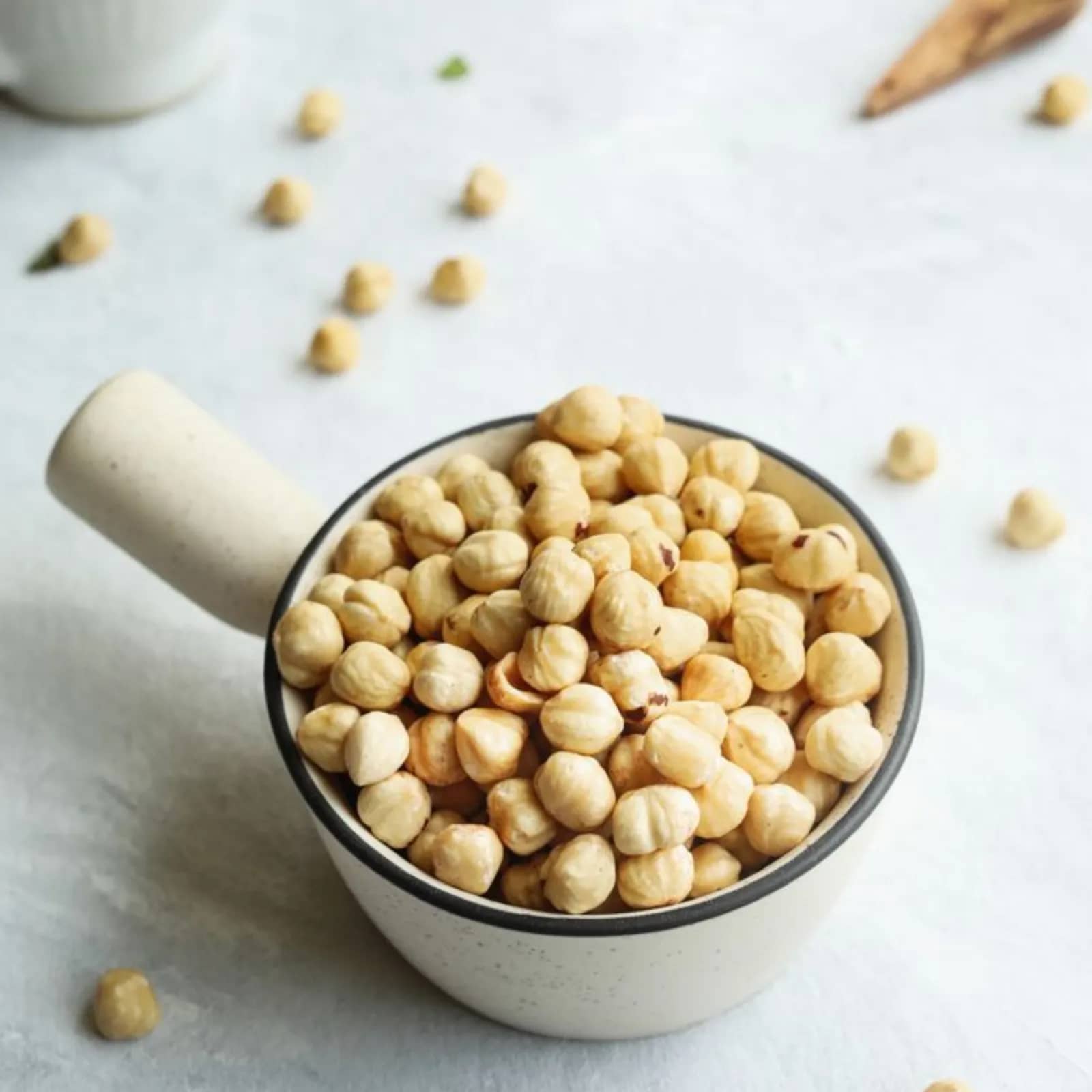
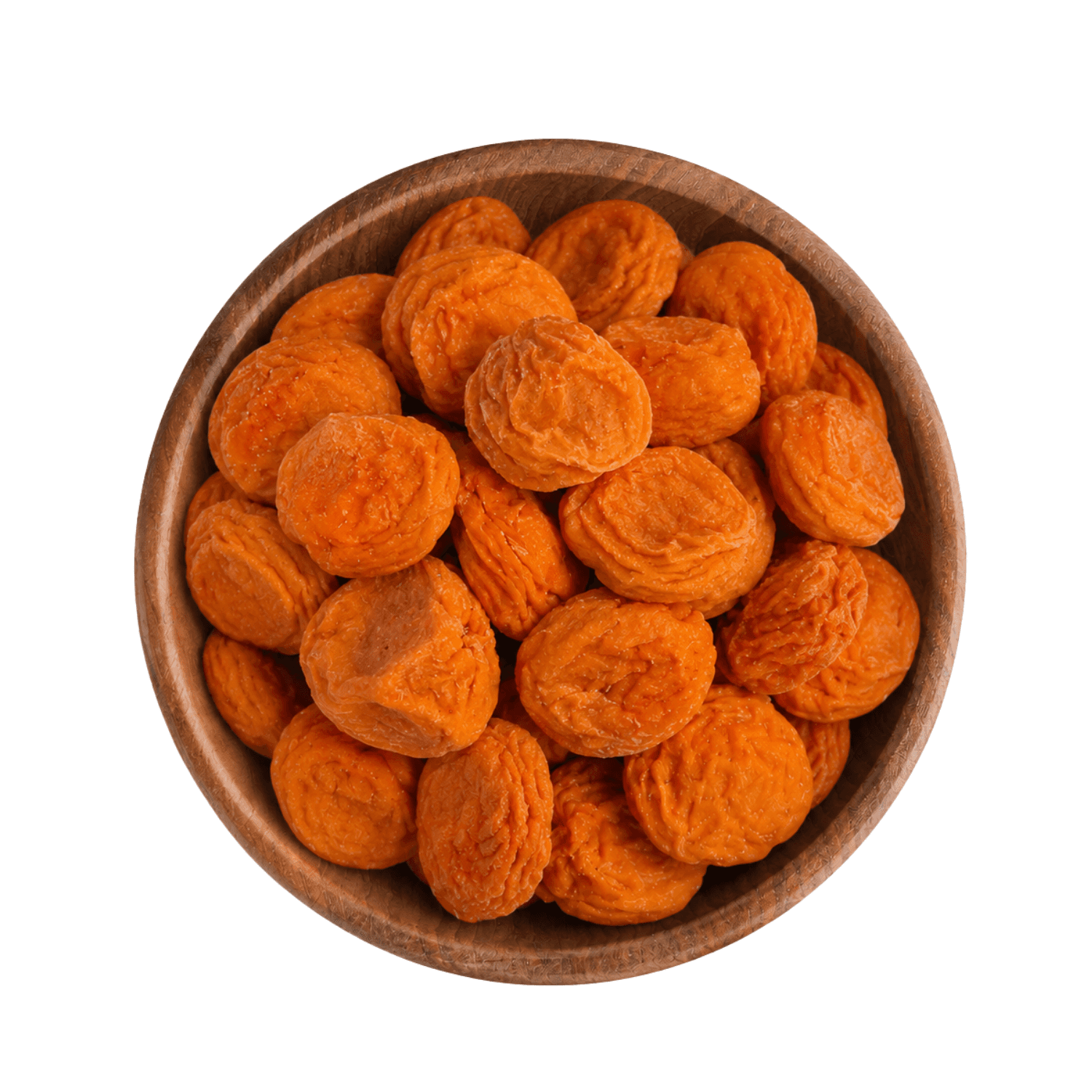
Kashmiri dry fruits, sold by the pack and shipped across India. Walnuts and almonds from the valley sit alongside nuts grown elsewhere, so you can compare them side by side — and we say which is which.
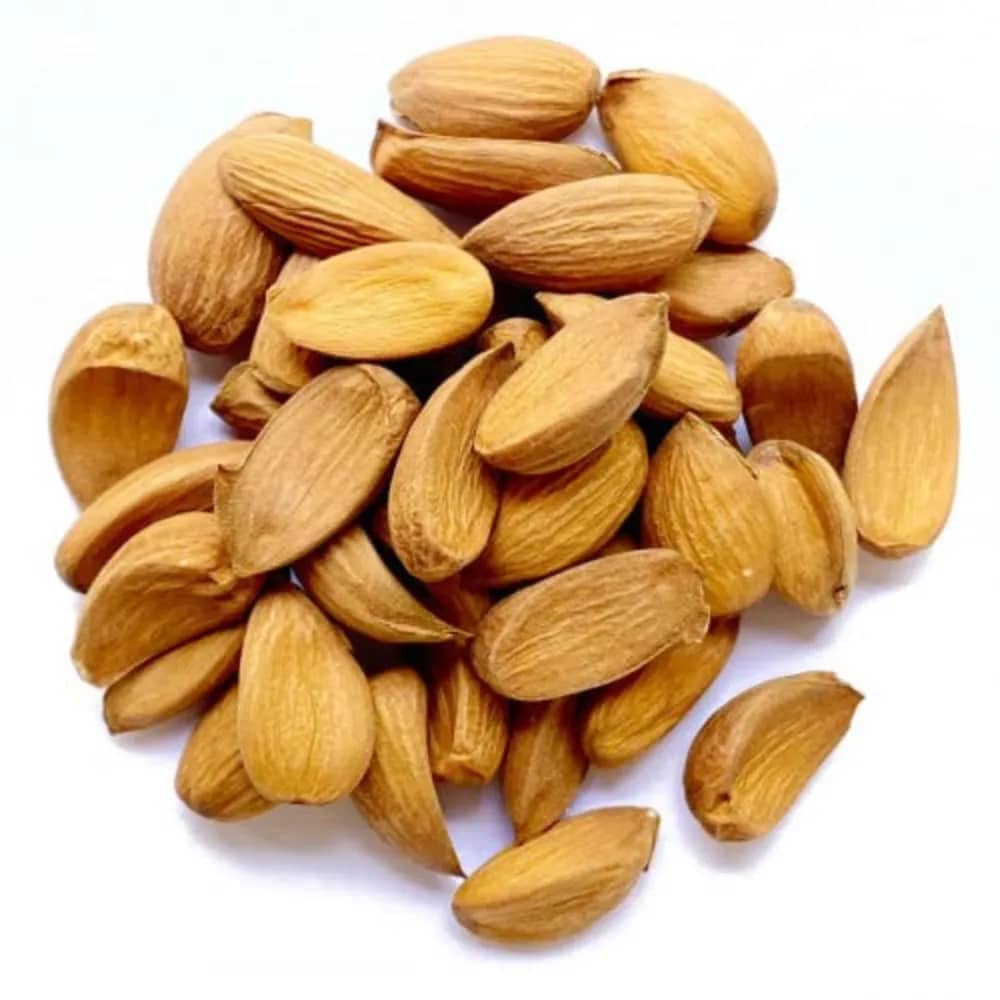
Mamra almonds are smaller and denser than the more common California variety, with a higher natural oil content, and cost more for that reason. Kagzi — meaning paper — describes a thin-shelled almond that cracks easily by hand. California almonds are the familiar large, uniform almond most shoppers already know.
Most dry fruits come in 200g, 400g and 800g packs, and each product page shows the exact net weight of the pack you choose.
Shipping is ₹59 within India, and free on orders of ₹1,000 or more.
Keep dry fruits in an airtight container, away from heat and light. Walnuts and pine nuts have the most natural oil and keep longest in the fridge.
Not sure what something is called? See our guide to Kashmiri dry fruit names in English.
Mamra almonds are a smaller, denser, wild-grown variety with a noticeably higher natural oil content and richer flavor than the larger, more commonly available California almonds. They’re also typically pricier due to lower yields and more limited cultivation.
A common daily serving is around 8–12 almonds (about 20–25g), which fits most general dietary guidelines for a healthy snack portion. Adjust based on your own dietary needs or a nutritionist’s advice.
Both are fine — soaking overnight softens the skin and is a traditional preparation some people find easier to digest, while raw almonds retain the same core nutrients. Try both and see what suits you.
Kashmiri-grown almonds, particularly the Mamra variety, are prized for a richer taste and higher oil content compared to standard commercial almonds, though "better" ultimately comes down to personal preference for taste and texture.
Store them in an airtight container in a cool, dry place, away from direct sunlight and humidity. For longer shelf life in warm climates, refrigeration helps preserve natural oils and prevents rancidity.
From the Kashmir Chronicles journal.
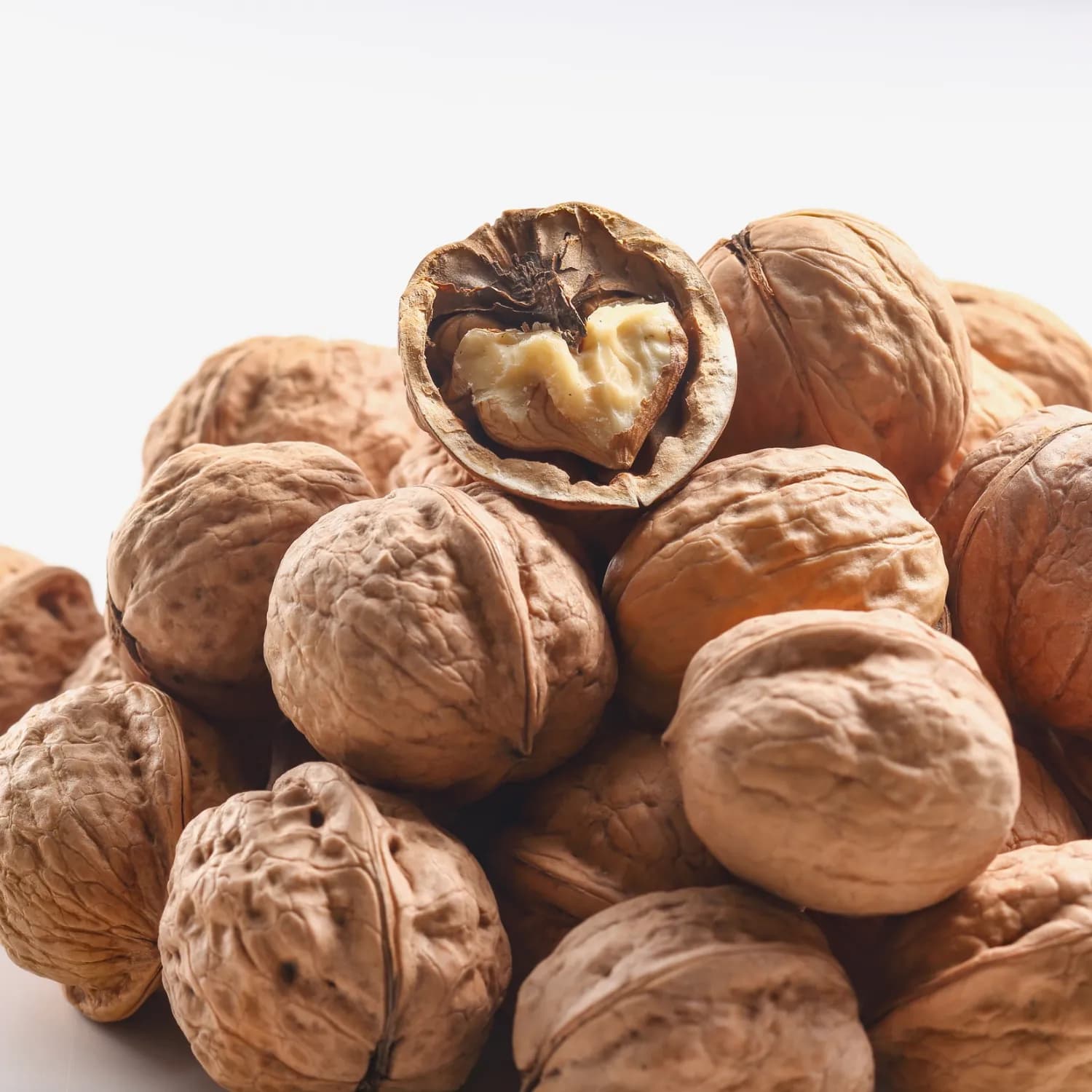
पुराने या खराब मेवे पहचानने की 7 आसान जांच: खुशबू, रंग, कुरकुरापन, कीड़े, पैक की तारीख और दाम। दिवाली की खरीदारी से पहले ज़रूर पढ़ें।
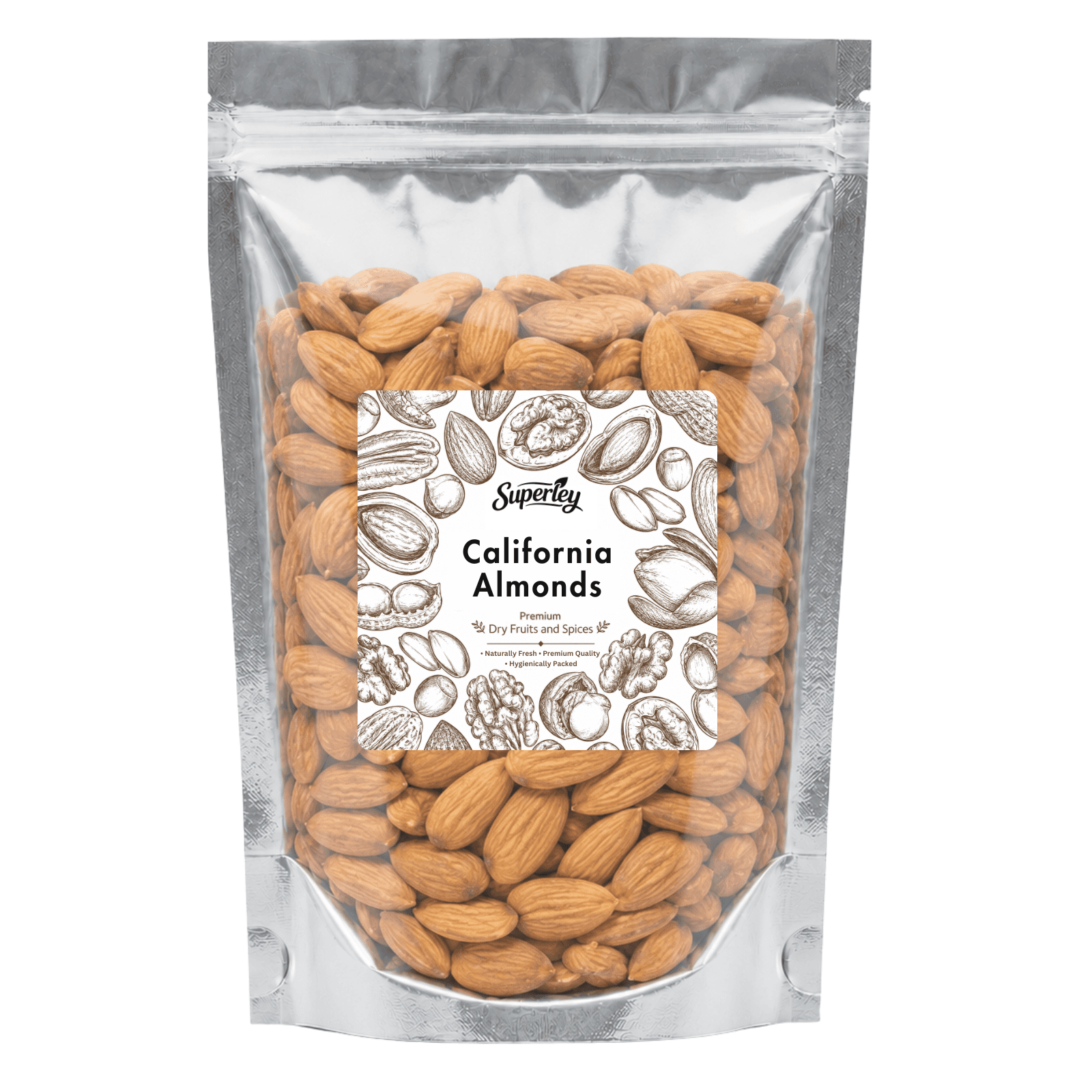
Which dry fruits need the fridge, which keep in the cupboard, and how long each lasts: a practical storage guide for after Diwali and all year round.
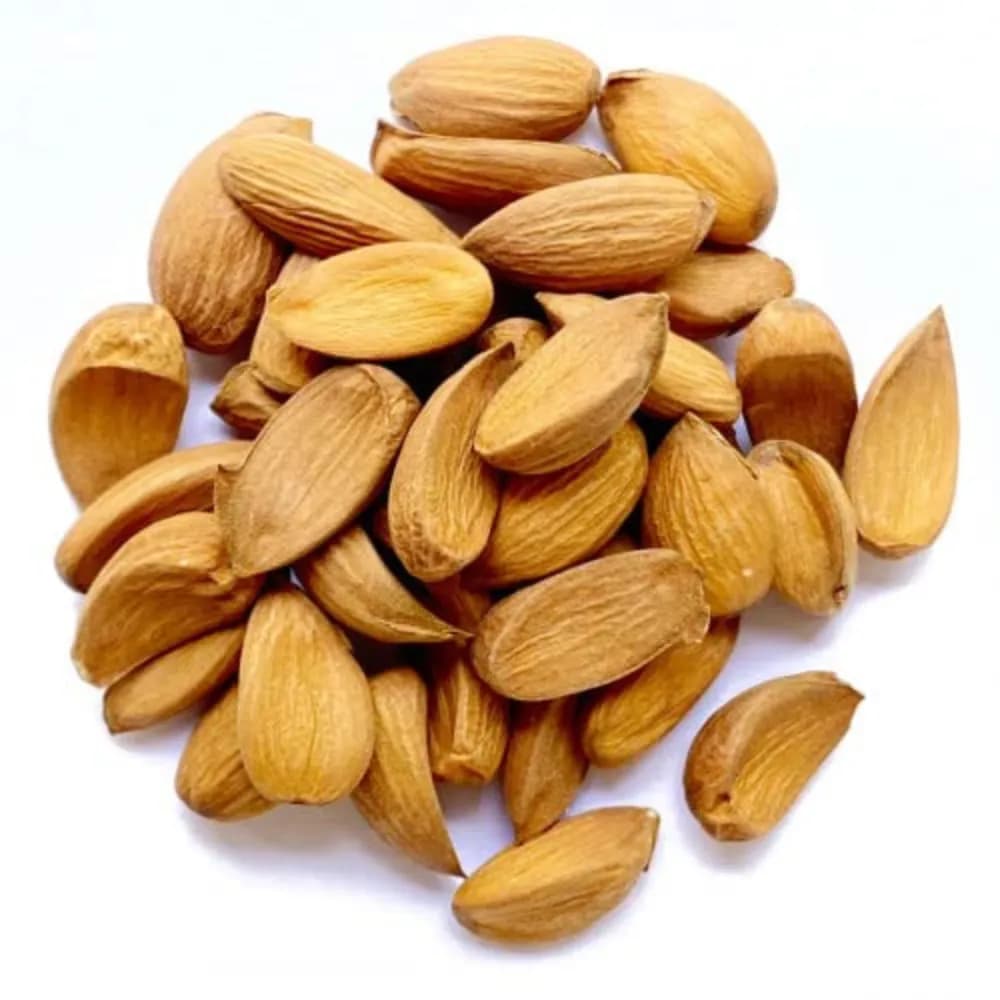
Walnuts, almonds and saffron grow in the valley. Cashews, pistachios and pecans do not. A plain list of which dry fruits are really Kashmiri, and when each is harvested.
अखरोट, खुबानी, केसर, चिलगोज़ा — कौन सा मेवा किस नाम से बिकता है, और कश्मीर में असल में उगता क्या है।
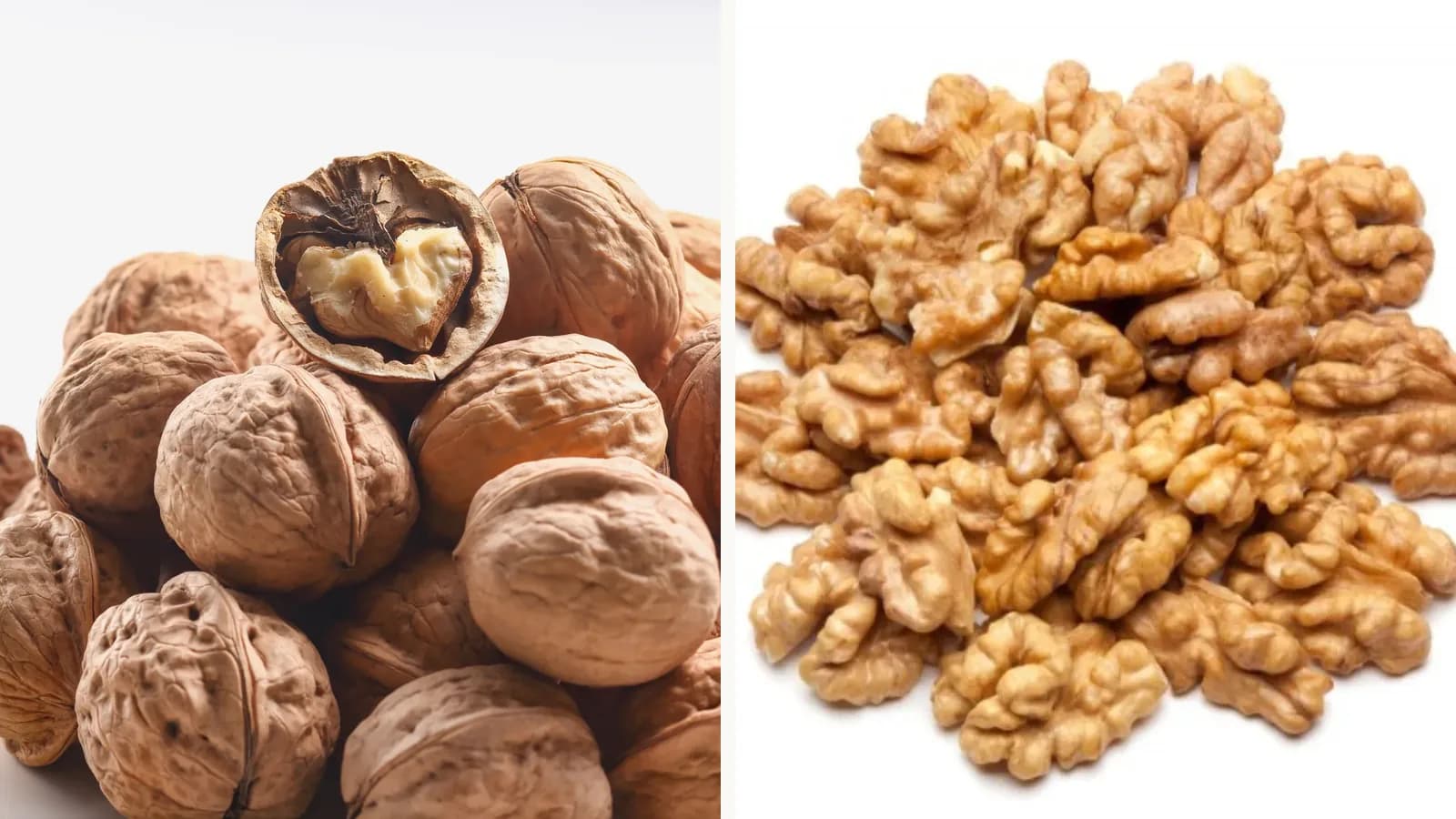
In-shell or kernels? Extra light or amber? A practical guide to buying Kashmiri walnuts (akhrot) and keeping them fresh.
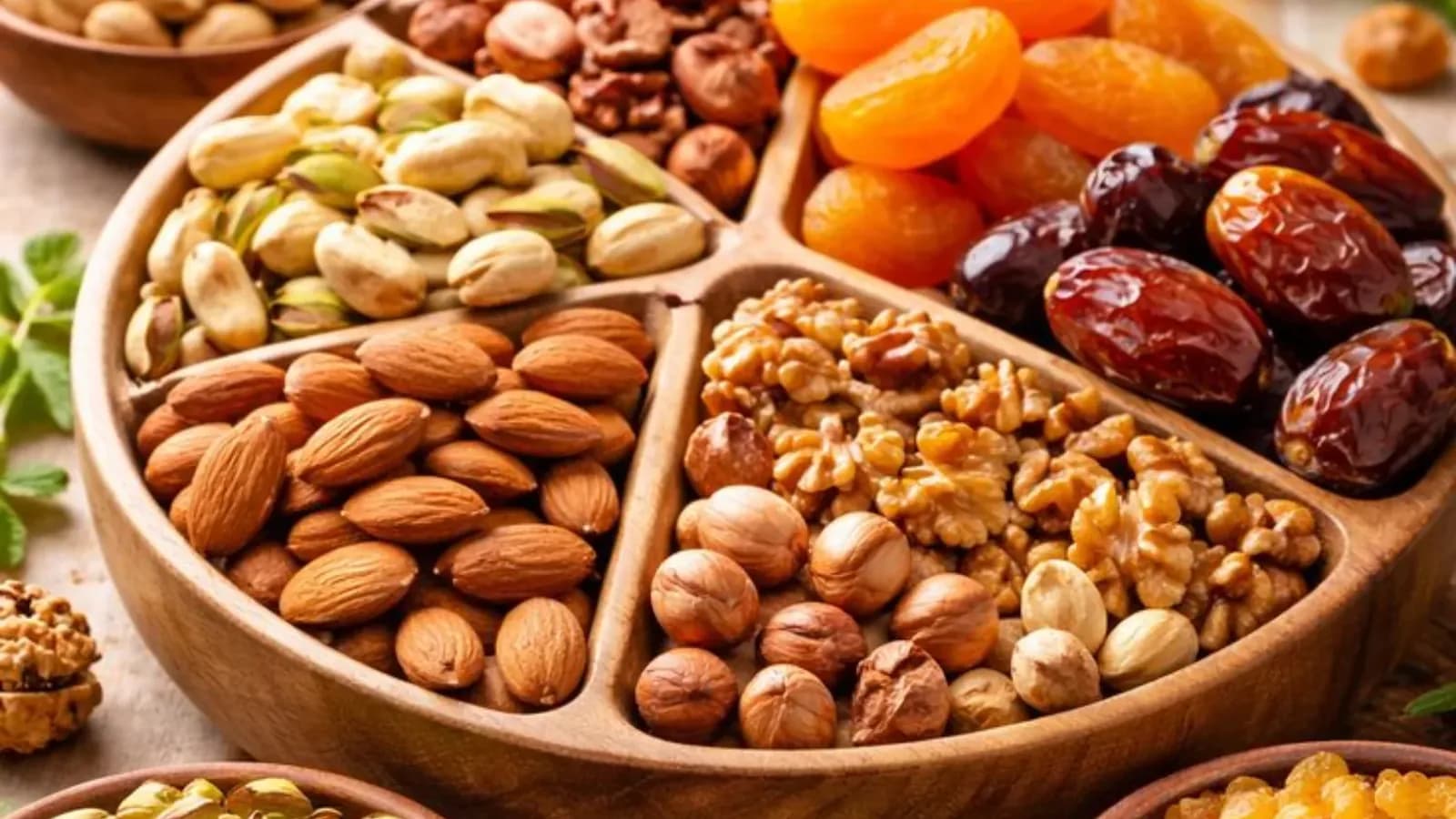
What khubani is in English, which dry fruit looks like a walnut, and which dry fruits actually come from Kashmir — a plain-language name guide.