verifiedPremium
Sale
Saffron is the world's most expensive spice by weight, and the most faked. Kashmiri saffron carries a GI (Geographical Indication) tag, a legal designation that only saffron grown in Kashmir's Pampore belt may use, in the same way Champagne may only come from Champagne. Before you pay a premium, the question worth asking any seller is where the saffron was grown, not merely where it was packed.
One gram of Kashmiri saffron is roughly 450–500 threads, from about 150–170 flowers.
Enough for 55–120 cups of saffron milk or kahwa at 4–8 threads a cup, so a daily cup lasts about two months. The pack to start with.
View the 1 g packFor families who cook with saffron often, festive kheer, phirni and biryani, or gifting, so you are not reordering every few weeks.
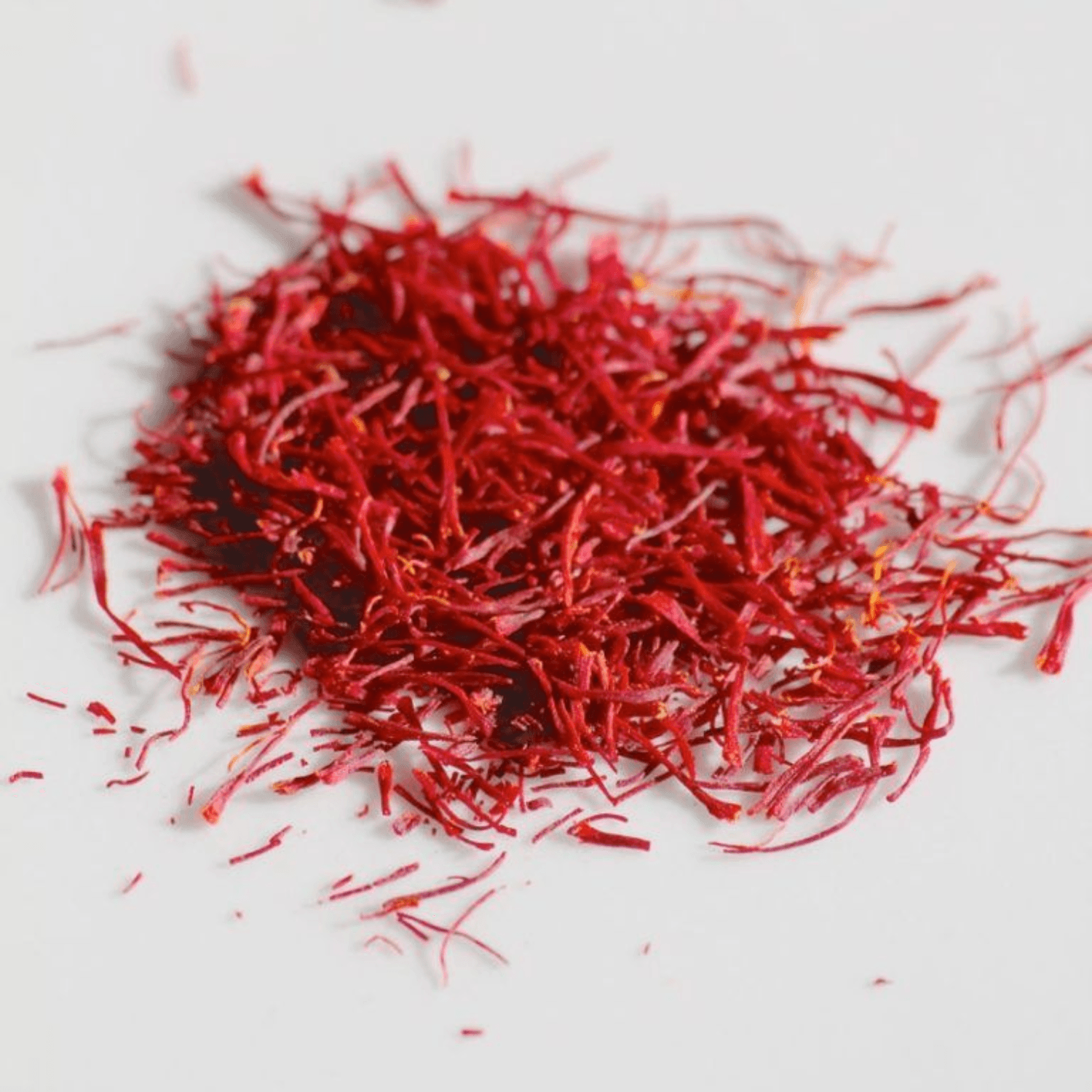
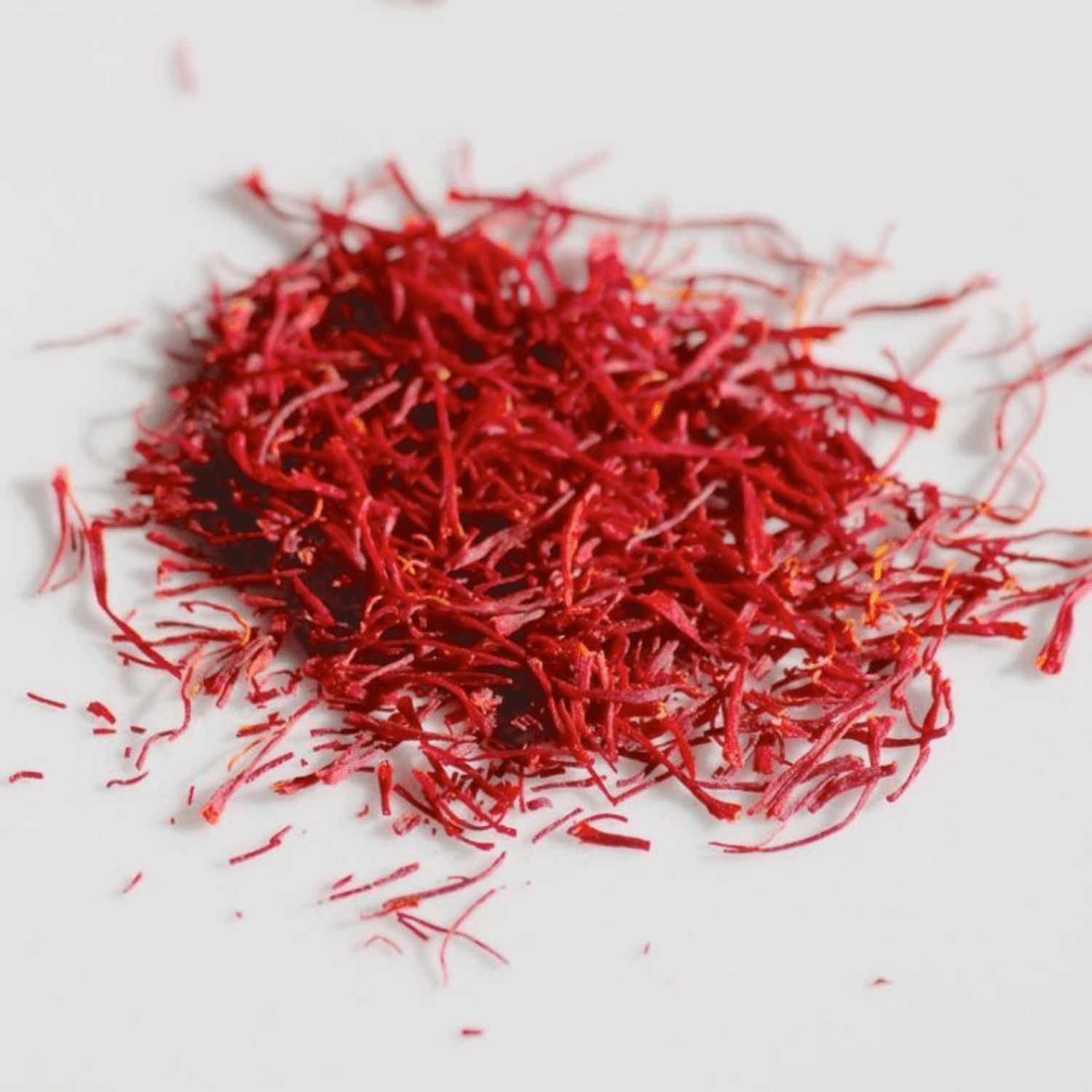
View the 5 g packMongra is the top grade: only the red stigma, cut away from the yellow style, so every thread is the part that carries colour and aroma
Lachha is the whole thread with the pale style still attached, which weighs more per thread and colours less per gram
Grade is worth asking about whenever you compare two prices per gram, because the cheaper one is often Lachha
Our 1g pack is the size most households buy for kahwa, kheer and festival cooking. The 5g box suits regular cooks and gifting, and works out cheaper per gram. Every pack states its net weight, and prices include GST.
Saffron makes a considered gift, particularly during Diwali, and the gifting page has pairings with almonds and walnuts at a few budgets.
About 450–500 threads. Each saffron flower gives only three red threads, so a single gram takes roughly 150–170 flowers, all picked by hand. The exact count varies with thread length and moisture.
4–8 threads for a cup of milk or kahwa, and 15–20 for a large pot of biryani, kheer or phirni. Soak the threads in 1–2 tablespoons of warm (not boiling) milk or water for 10–15 minutes first, then add the liquid and threads together. More saffron does not mean more flavour: too much tastes bitter.
Real threads are deep red with a slightly flared, lighter tip, feel dry rather than oily, and release their colour slowly, over 10–15 minutes, in lukewarm water. Water that turns red within seconds is a warning sign, and so is a price that seems too low for the weight.
A Geographical Indication ties the name "Kashmir saffron" to saffron grown in a defined part of Kashmir, around Pampore. It certifies where the saffron comes from, not its grade or freshness, so it is worth checking both.
In an airtight container in a cool, dark cupboard, away from light, heat and moisture. It does not need the fridge. Well-stored saffron keeps its aroma for one to two years, and is at its best in the first.
Kong in Kashmiri, and kesar in Hindi (zafran in Urdu).
From the Kashmir Chronicles journal.
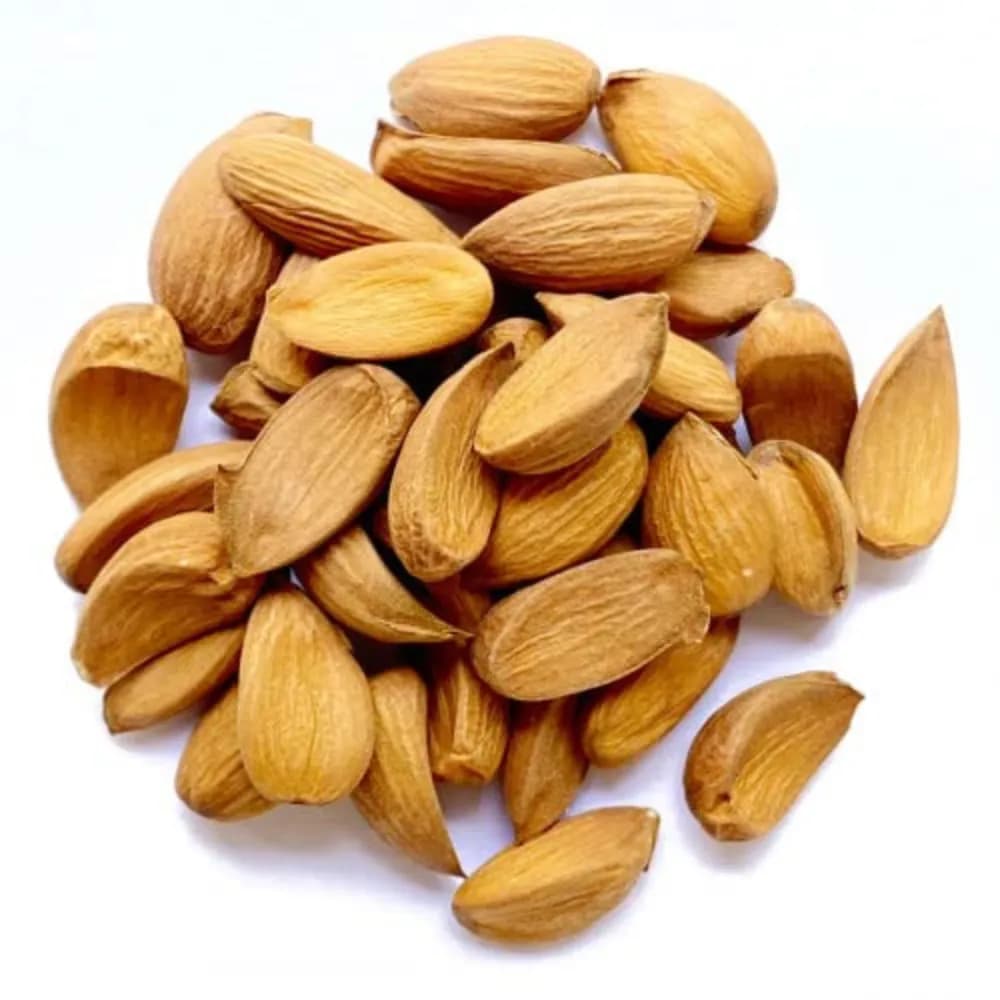
Walnuts, almonds and saffron grow in the valley. Cashews, pistachios and pecans do not. A plain list of which dry fruits are really Kashmiri, and when each is harvested.
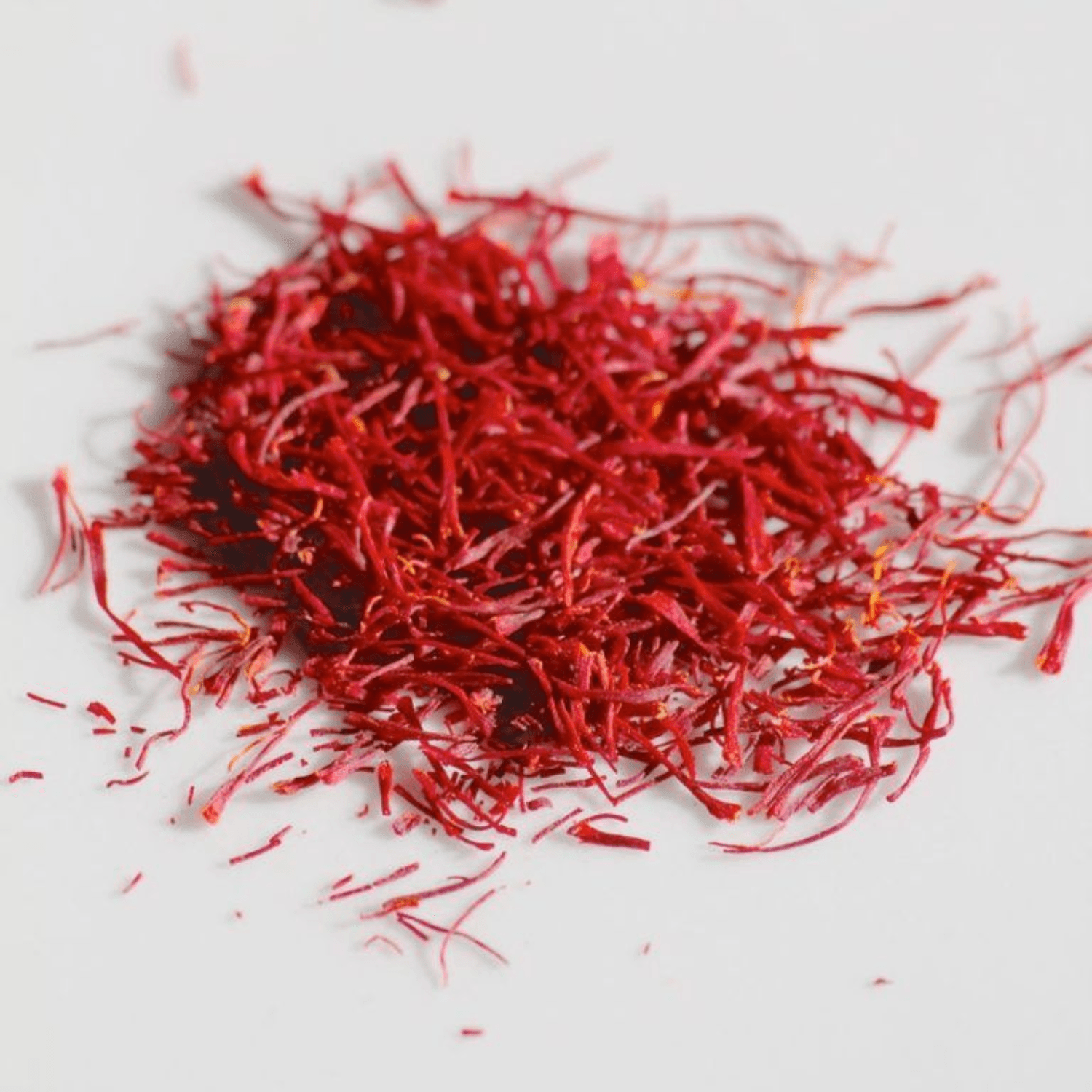
1 ग्राम केसर में लगभग 450–500 रेशे होते हैं, यानी करीब 150 फूल। यह हिसाब कैसे बनता है और 1 ग्राम कितने दिन चलता है, सब आसान भाषा में।
पानी, रंग, खुशबू, बनावट और स्वाद — पाँच आसान टेस्ट जिनसे घर पर ही असली और नकली केसर की पहचान हो जाती है।
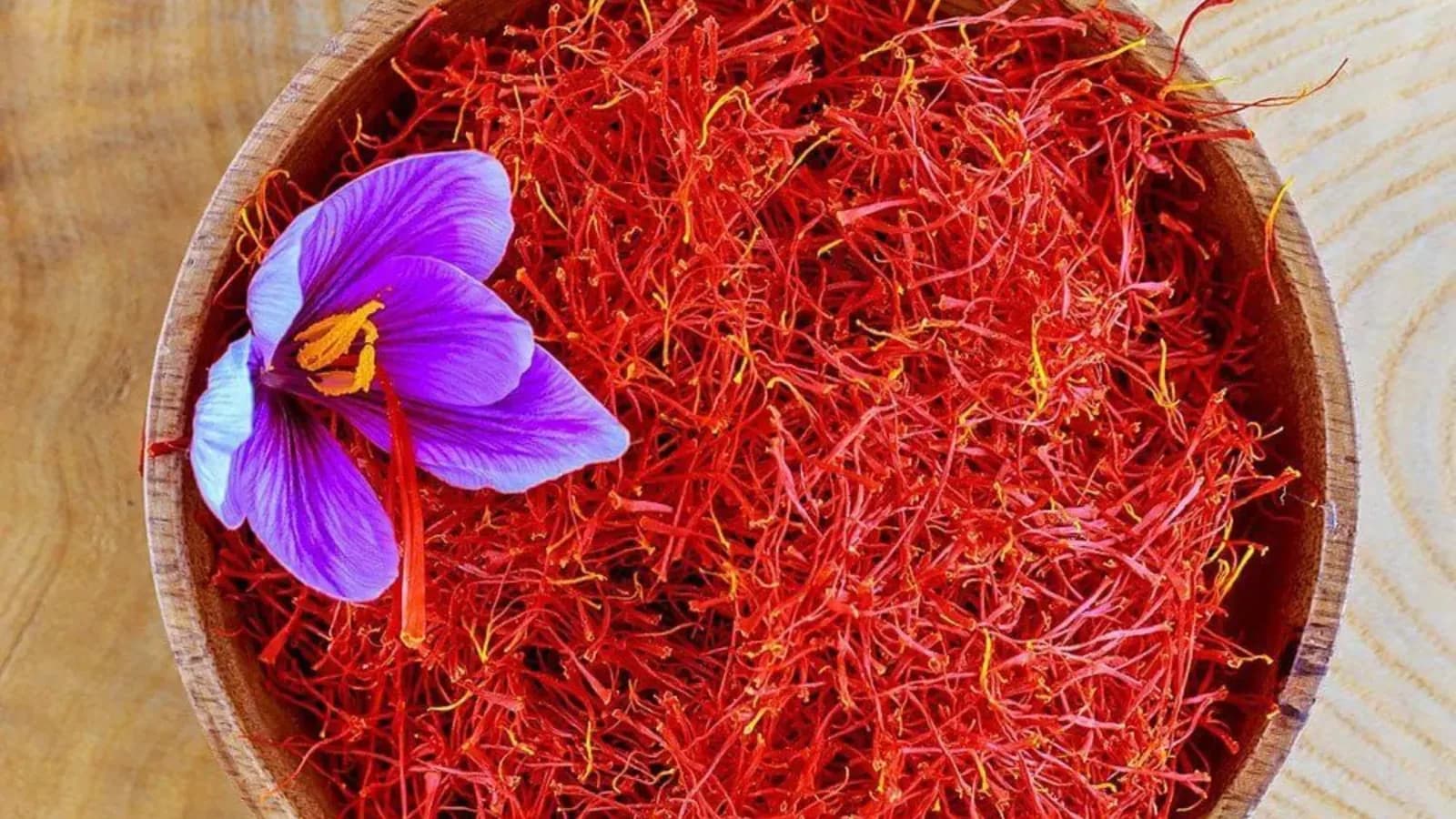
Almost every saffron seller claims "GI-tagged" - few explain what that actually certifies. Here's what the tag means and how to verify it.
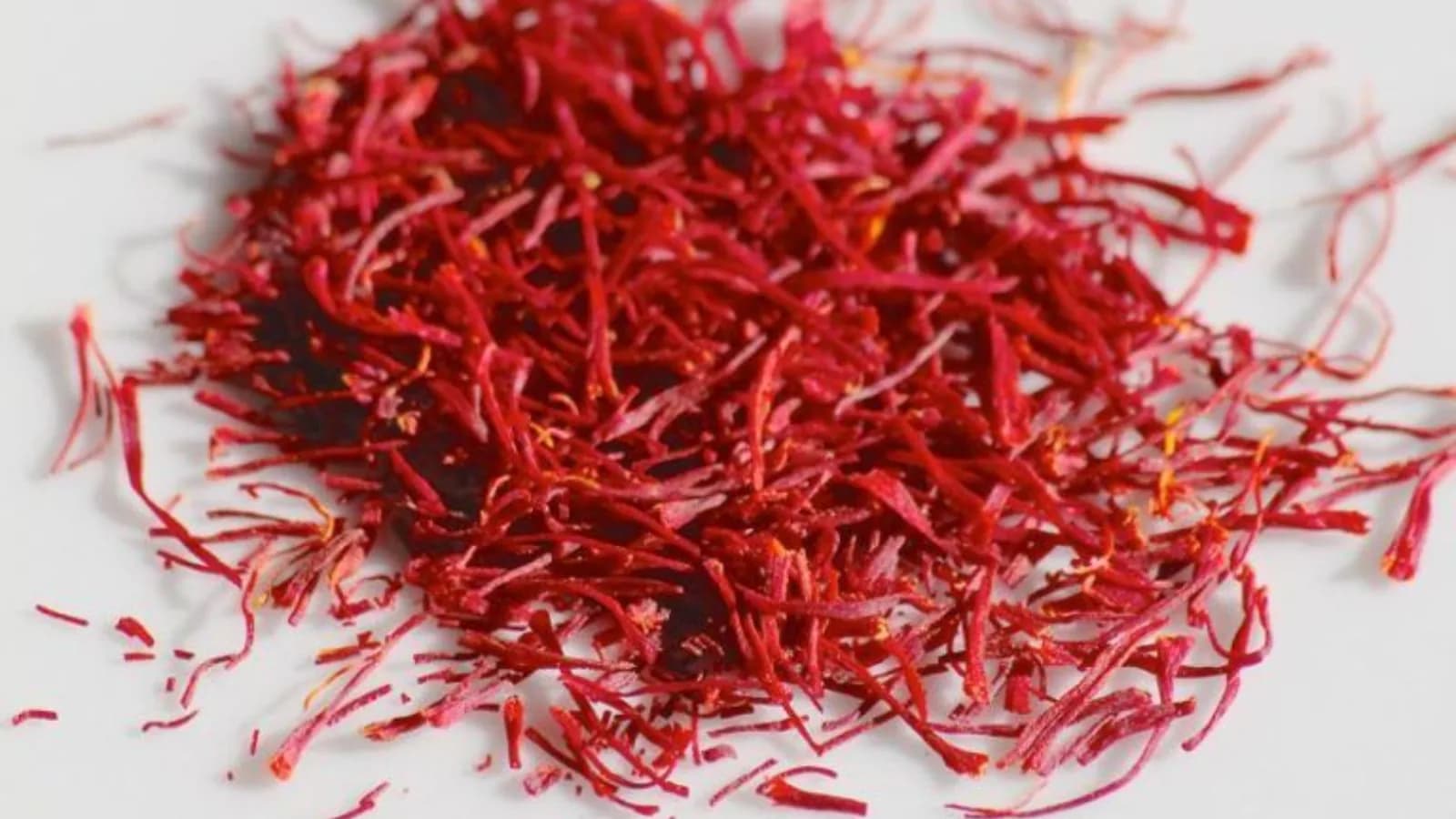
Adulterated saffron is common enough that it's worth knowing how to check it yourself. Five simple home tests, no lab required.
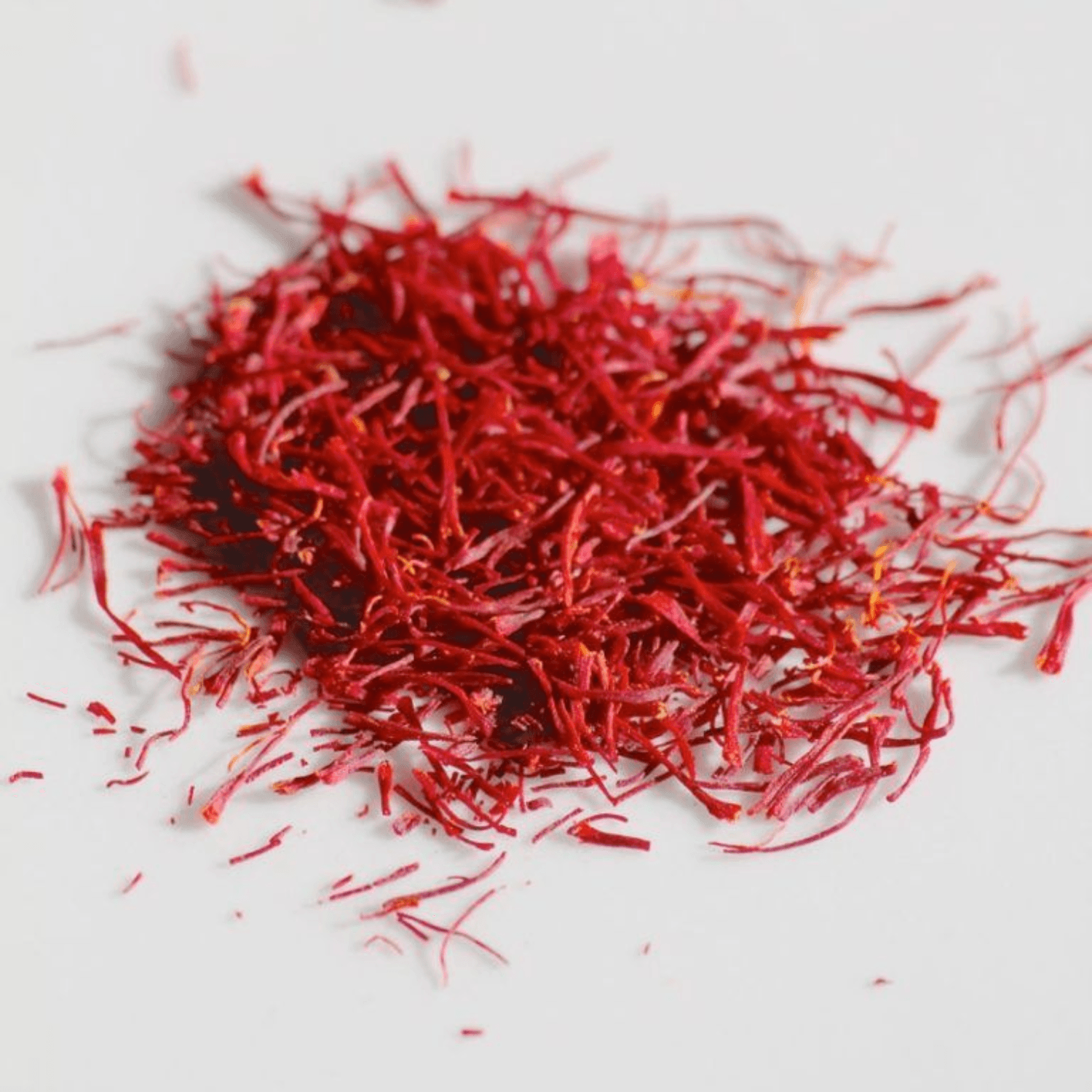
A small pinch goes a long way. Here's how much saffron to use, how to bloom it, and where it actually belongs in your kitchen.