Kashmiri Heritage
Black Beans in India: Rajma, Urad or Kala Chana?
Published on September 21, 2026
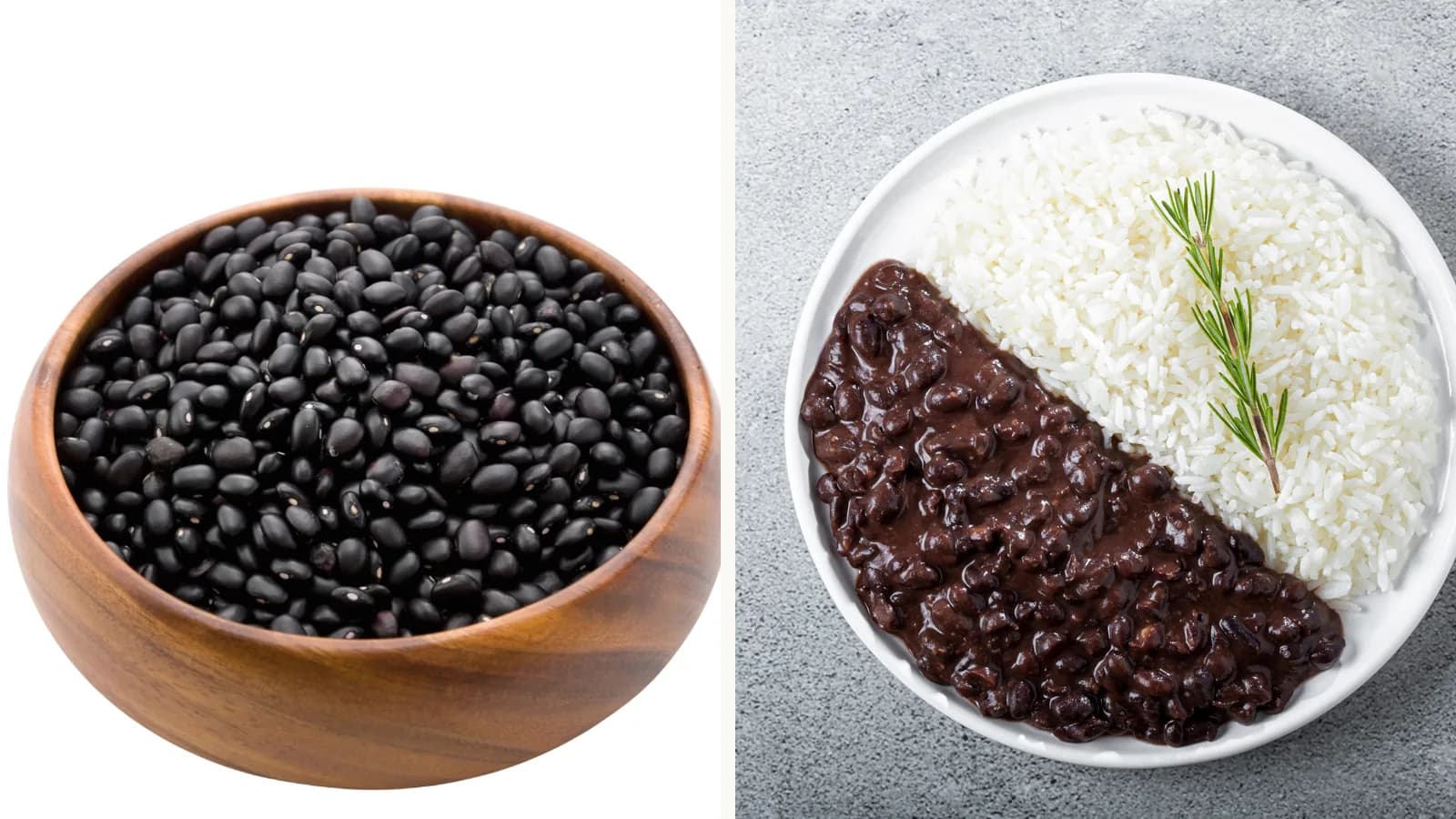
Why "Black Beans" Is Confusing in India
Ask for "black beans" at an Indian grocer and you might be handed any of four different pulses. Recipes written abroad mean one thing, Indian shops often mean another, and the Hindi names do not map neatly onto the English ones. This guide lines them up.
Is Rajma the Same as Black Beans?
Not quite, but they are close relatives. Rajma (kidney beans) and black beans (often called black turtle beans) are the same plant species, Phaseolus vulgaris, the common bean. They are different varieties, the way basmati and sona masoori are both rice.
- Rajma is large and kidney-shaped, red, speckled or (in some regions) black. It cooks to a soft, creamy texture that thickens a gravy.
- Black beans are smaller, oval and glossy black. They hold their shape better and taste slightly earthier and sweeter.
You can use black beans in a rajma-style curry. The gravy will be thinner and the beans firmer.
The Four Pulses Sold as "Black Beans"
- Black beans / black turtle beans: Phaseolus vulgaris, a relative of rajma. Small, oval and shiny black, with a creamy inside. Common in Mexican and Latin American cooking.
- Black rajma: a dark kidney bean, larger than a black bean, grown in the Himalayan regions and cooked like any rajma.
- Whole urad (sabut urad, black gram): Vigna mungo. Small, matt black and oblong, with a white stripe where it joined the pod. Used for dal makhani, and split and skinned it becomes the white urad dal in idli and dosa batter.
- Kala chana (black chickpea): Cicer arietinum, the same species as the regular chickpea. Small, wrinkled, dark brown to black, and firm even when fully cooked. Used in chana masala, sundal and sprouts.
The quickest way to tell them apart is by shape. A glossy oval is a black bean. A larger kidney shape is black rajma. A small oblong with a white stripe is urad. A wrinkled, pointed round is kala chana.
Our Kashmiri black beans are the first kind: true black beans from the rajma family. They are glossy, oval and firm-cooking, not urad or kala chana.
How to Cook Black Beans and Rajma Safely
Raw and undercooked beans of the Phaseolus family, rajma above all, contain a natural lectin that can cause stomach upset. Proper cooking destroys it. The rules are simple:
- Soak for 8 hours or overnight in plenty of water, then drain and rinse.
- Boil hard. Bring them to a full boil for at least 10 minutes, or pressure cook them. A slow cooker on its low setting does not get hot enough on its own.
- Cook until completely soft. A bean should crush easily between two fingers. Firm beans are undercooked.
Urad and kala chana also benefit from soaking. Whole urad is usually pressure cooked for dal makhani, and kala chana needs a longer soak and cook than most pulses.
Black Beans vs Rajma: Nutrition
All four are good sources of plant protein, fibre and iron, and the differences between them are small next to the difference between any of them and refined grains. Pick based on the dish you are cooking rather than the nutrition label.
Which One Should You Cook?
- For rajma chawal, use Kashmiri rajma. It cooks soft and creamy and holds a thick gravy.
- For dal makhani, use whole urad.
- For salads, burritos and soups, use black beans, which keep their shape.
- For chana masala or sprouts, use kala chana.
Our Kashmiri rajma and black beans are cleaned and packed without polishing agents.