Kashmiri Heritage
How to Tell Real Kashmiri Saffron From Fake: 5 Simple Home Tests
Published on September 18, 2026
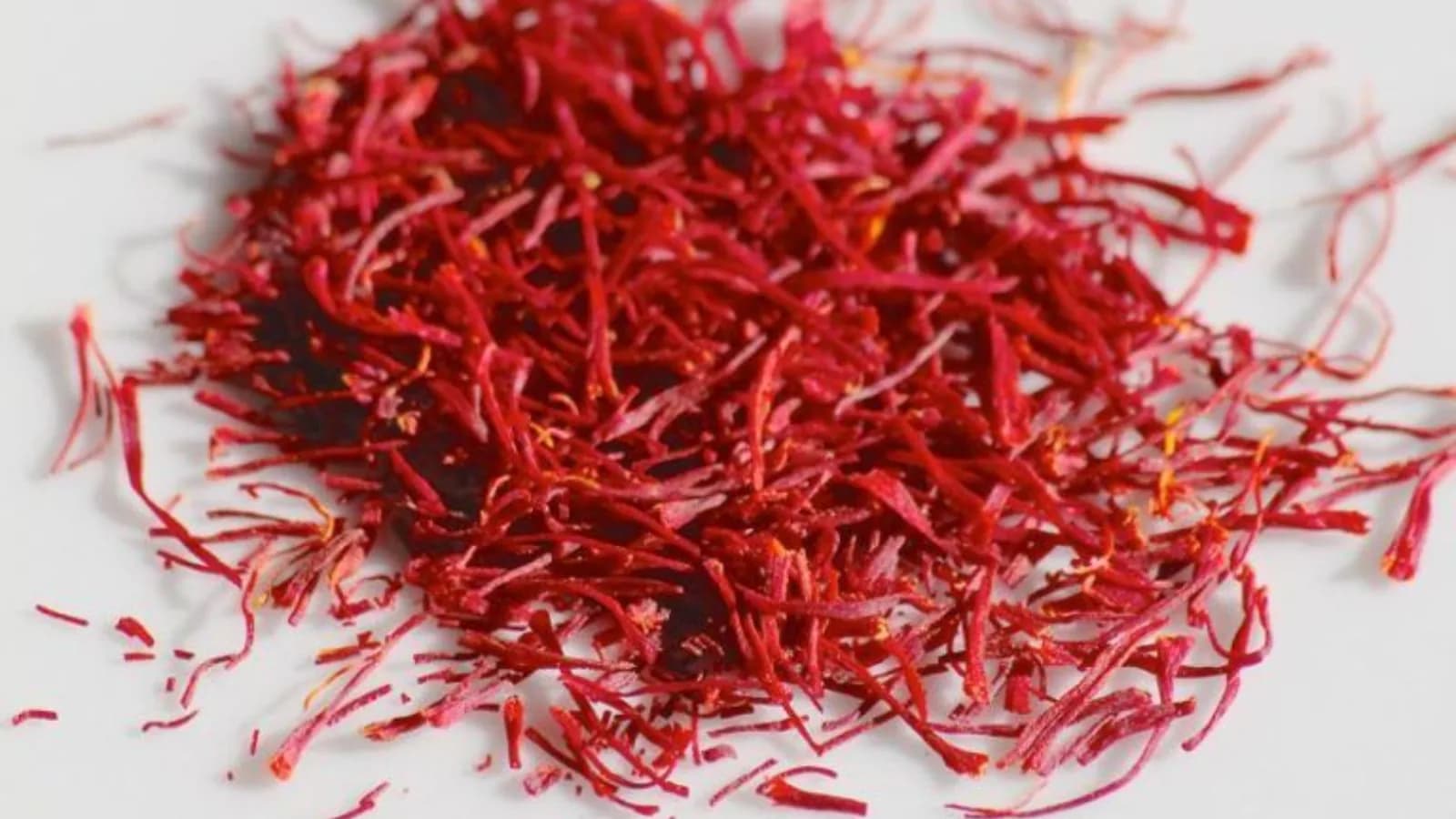
Why This Is Worth Checking Yourself
Saffron is one of the most commonly adulterated spices in the world - partly because it's expensive by weight, and partly because a few common substitutes (dyed corn silk, safflower "bastard saffron," beet fibers, or saffron threads bulked up with glycerin or other additives) can pass a quick glance. You don't need a lab to catch most of these. A few simple checks at home will tell you a lot.
Test 1: The Water Test
Drop a few threads into a glass of lukewarm water (not hot). Real saffron releases its color slowly - the water should turn a golden-yellow over several minutes, not instantly. If the water turns deep red or orange within seconds, that's a warning sign: real saffron threads keep most of their red color even after coloring the water, while dyed fakes tend to bleed out fast and leave the threads themselves faded.
Test 2: The Color Test
Look closely at the threads themselves. Genuine saffron threads are a deep, trumpet-shaped dark red with slightly lighter, orange-ish tips (where the thread was attached to the flower). If every part of the thread is a uniform, flat red with no lighter tips at all, that's often a sign of dyeing rather than natural color variation.
Test 3: The Smell Test
Real saffron has a distinctive, slightly sweet, hay-like aroma with a faint metallic or honey-like note - not a sharp, medicinal, or overly floral smell. If it smells like almost nothing, or smells strongly "perfumed," that's worth questioning.
Test 4: The Texture Test
Rub a thread gently between your fingers. Real saffron is dry and slightly brittle, and threads should not feel greasy, waxy, or sticky. Adulterated saffron is sometimes bulked up with glycerin or oil to add weight, which leaves a slightly greasy residue on your fingers.
Test 5: The Taste Test
A tiny pinch of real saffron has a distinctly bitter, slightly metallic taste - it should not taste sweet. If what you're tasting is sweet or bland, it likely isn't real saffron, since bitterness is one of its defining characteristics (from the compound picrocrocin).
What None of These Tests Replace
These home tests are a good first check, but they're not a substitute for buying from a seller who's transparent about sourcing and, ideally, provides lab test results for purity. If a deal seems unusually cheap for the quantity of saffron on offer, that price alone is often the biggest signal - genuine Kashmiri saffron is labor-intensive to harvest (each flower yields only three tiny stigmas, hand-picked), which is reflected in its cost.
For more on what "GI-tagged" does and doesn't guarantee about a saffron seller's claims, see our explainer on GI certification.
Our Saffron
Our Kashmiri Saffron collection is sourced from the Kashmir Valley's traditional growing regions, available in 1g and 5g packs.