Kashmiri Heritage
What GI-Tagged Kashmiri Saffron Actually Means (And Why It Matters)
Published on September 18, 2026
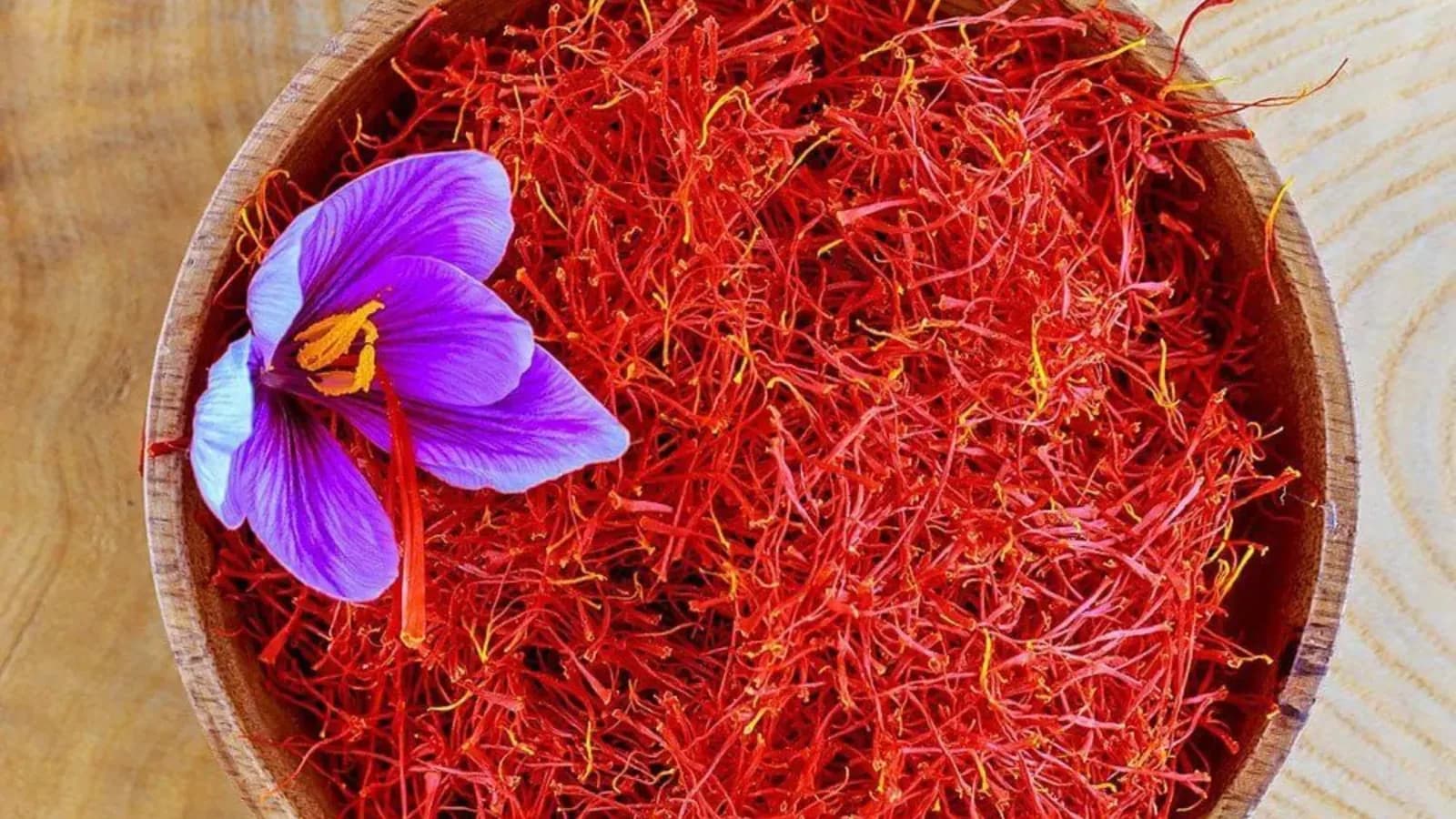
Every Seller Says "GI-Tagged." What Does That Actually Mean?
If you've shopped for Kashmiri saffron online, you've seen the phrase "GI-tagged" or "GI-certified" on almost every listing. It's become such a standard claim that it's easy to skim past without knowing what it's actually certifying - or whether the seller in front of you can back it up.
GI stands for Geographical Indication - a legal certification (administered in India by the Geographical Indications Registry, under the Ministry of Commerce and Industry) that a product's specific qualities, reputation, or characteristics are essentially tied to its place of origin. Kashmiri saffron received its GI tag in 2020, making it one of a small number of Indian agricultural products with this protection alongside items like Darjeeling tea and Basmati rice.
What GI Certification Actually Covers
The GI tag for Kashmiri saffron specifically protects saffron grown in the Kashmir Valley's traditional growing regions - most notably Pampore, often called the "saffron town" of Kashmir - using the traditional corm-planting and hand-harvesting methods native to the region. It doesn't certify a specific brand or seller; it certifies that the saffron itself originates from that geography and meets criteria tied to that origin (color, aroma, and crocin/safranal content typical of Kashmiri-grown saffron, distinct from Iranian or Spanish saffron).
In practical terms, this means:
- It's about origin, not about a specific company. Any grower or seller whose saffron genuinely comes from the certified Kashmir Valley region can accurately describe it as GI-tagged Kashmiri saffron.
- It doesn't automatically mean lab-tested for purity. GI status is about geographic origin and traditional characteristics - it's a separate thing from a seller independently lab-testing each batch for adulterants, though many reputable sellers do both.
- It's a legal designation, not just marketing language. Misusing a GI tag on a product that doesn't actually qualify is a form of misrepresentation, which is part of why the certification exists in the first place - to protect both consumers and genuine growers in the region.
Why This Distinction Is Worth Knowing Before You Buy
Because "GI-tagged" has become such a common phrase in saffron marketing, it's worth knowing what question to actually ask a seller: not just "is this GI-tagged," but "where in Kashmir is this sourced, and can you show that." A seller who can speak specifically to sourcing region, harvest method, and (ideally) an independent lab report for purity is giving you more than the tag alone would.
This is also why GI status and purity testing are worth treating as two separate questions when you're evaluating a saffron seller - one tells you about origin, the other tells you what's actually in the jar. We cover how to check the second part yourself, at home, in our guide to spotting real vs. fake saffron.
Kashmiri Saffron Grades: Mongra, Lacha, and Guchhi
Beyond the GI tag, Kashmiri saffron is also sold in different traditional grades based on how the threads are processed after harvest - Mongra (considered the most premium, deep red with minimal yellow style attached), Lacha, and Guchhi. These grades affect color intensity and aroma more than they affect "authenticity" itself. We go into the grade differences in more depth separately, since it's a common point of confusion even among people who've bought Kashmiri saffron before.
Our Saffron
Our Kashmiri Saffron collection is sourced from the Kashmir Valley's traditional growing regions, available in 1g and 5g packs.