Kashmiri Heritage
Which Dry Fruits Are Grown in Kashmir? What Is Local and What Is Not
Published on October 8, 2026
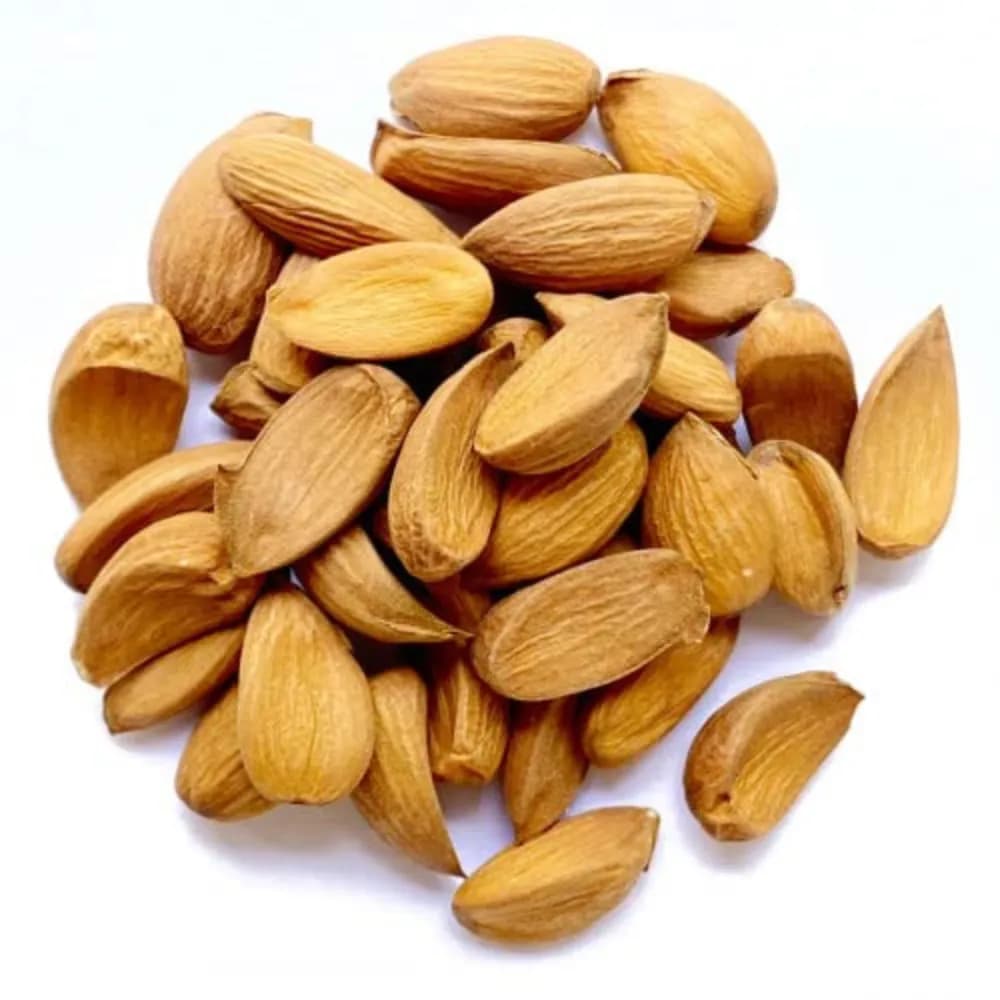
Walk through any dry fruit market in Srinagar and you will find cashews, pistachios, Brazil nuts and pecans sitting next to walnuts and almonds. All of them get sold as "Kashmiri dry fruits", but only some of them grow here. This guide sorts out which dry fruits are grown in Kashmir, which come from the wider region, and which are simply traded through the valley.
The Short Answer
- Grown in Kashmir: walnuts, almonds (the Mamra and Kagzi varieties) and saffron.
- Grown in the wider region: apricots (khubani), above all in Ladakh.
- Sold in Kashmir, grown elsewhere: cashews, pistachios, California almonds, pine nuts (chilgoza), Brazil nuts, pecans, hazelnuts and most raisins.
Saffron is a spice rather than a dry fruit, but it is sold alongside them in every Kashmiri shop, so we have included it.
Walnuts (Akhrot, Doon in Kashmiri)
Walnuts are the dry fruit most closely tied to Kashmir. Jammu and Kashmir grows the large majority of India's walnuts, and much of the akhrot sold across the country started on a tree in the valley.
The harvest runs from September into October. The green husk splits, the nuts are gathered and dried, and they are then sold in the shell or cracked and graded into kernels. Thin-shelled walnuts that crack in your hand are sold as kagzi, from the word for paper.
Our guide to choosing Kashmiri walnuts explains the grades and how to store them. Compare both packs on our Kashmiri walnuts page: walnuts with shell or extra light walnut kernels.
Almonds (Badam): Mamra and Kagzi
Kashmir is the main almond-growing area in India. Two local varieties are worth knowing by name:
- Mamra almonds are small, often slightly curved or hollow in the middle, and noticeably oily when you bite them. They cost more than other almonds because the yield is small.
- Kagzi almonds have a thin, papery shell that you can crack with your fingers. They are often sold in the shell.
Kashmiri almonds are harvested in mid to late summer. They look quite different from the large, flat, uniform California almonds that fill most Indian shops. Neither is a fake version of the other; they are different varieties grown in different places, and a good seller will tell you which one you are buying.
See our Mamra almond kernels and Kagzi almonds.
Saffron (Kesar, Kong in Kashmiri)
Kashmiri saffron grows on the raised plateaus (karewas) around Pampore, south of Srinagar. The crocus flowers in late October and November, and every red thread is picked by hand from the flower, three to a bloom.
Kashmir saffron carries a Geographical Indication (GI) tag, which ties the name to where it is grown. Our GI tag explainer covers what that does and does not guarantee, and this guide has five checks you can do at home. Browse our Kashmiri saffron.
Apricots (Khubani): From the Wider Region
Dried apricots are part of every Kashmiri dry fruit platter, but most of them come from Ladakh, especially around Kargil, where the dry climate suits the trees. The fruit is picked in summer and dried in the sun, often with the stone still inside. Apricot trees grow in Kashmir too, on a smaller scale.
Ladakh has been a separate Union Territory since 2019, so "Kashmiri khubani" usually means apricots from the old state of Jammu and Kashmir rather than the valley itself. See our dried apricots, and the khubani ka meetha recipe if you want to cook with them.
Sold in Kashmir, Grown Elsewhere
Kashmir has traded dry fruits for centuries, so its markets stock nuts from all over the world. None of the following are grown in the valley:
- Cashews (kaju) grow on India's coast, in states such as Kerala, Goa and Maharashtra, and a large share is imported raw from Africa.
- Pistachios (pista) are imported, mainly from Iran, the United States and Afghanistan.
- California almonds come from the United States.
- Pine nuts (chilgoza) come mostly from Kinnaur in Himachal Pradesh and from Afghanistan.
- Brazil nuts come from the Amazon rainforest.
- Pecans come from the United States and Mexico. They are the nut most often mistaken for a walnut; here is how to tell them apart.
- Hazelnuts are mostly grown in Turkey.
We sell several of these ourselves, and we name them for what they are. A cashew sold as "Kashmiri cashew" is a marketing label, not an origin.
Harvest Calendar
- Almonds: mid to late summer.
- Apricots: summer, dried in the sun straight after picking.
- Walnuts: September to October.
- Saffron: late October to November.
New-crop walnuts and saffron reach the market from late autumn, which is why the run-up to winter is the best time to buy them fresh.
Kashmir's Other Dried Foods
Kashmir also has a tradition of sun-drying vegetables for winter, known as hokh syun. Dried tomatoes, gourds, aubergines and turnips were strung up in autumn so there would be something to cook when the roads closed. They are not dry fruits, but they are some of the most genuinely Kashmiri foods you can buy. See our Kashmiri dried tomatoes (ruwangan hach).
Frequently Asked Questions
Are cashews grown in Kashmir?
No. The valley is far too cold for cashew trees, which need a warm coastal climate. Cashews sold in Kashmir come from coastal India or are imported.
Are California almonds Kashmiri?
No. They are grown in the United States. Kashmiri almonds are the Mamra and Kagzi varieties, which are smaller and look quite different.
Which Kashmiri dry fruit is the most famous?
Walnuts, followed closely by almonds. If you count saffron, it is the most valuable thing the valley grows by weight.
What are dry fruits called in Kashmiri?
Walnut is doon and saffron is kong. Our Kashmiri dry fruit names guide lines up the English, Hindi and Kashmiri names.
Buying Kashmiri Dry Fruits
If you want dry fruits that genuinely come from the valley, start with walnuts, Mamra or Kagzi almonds and saffron, and ask the seller where anything else was grown. We pack everything in Srinagar and ship across India. Browse the full dry fruits collection.